
This comparison of magnesium types for anxiety and sleep reveals how specific forms offer distinct advantages for neurological well-being. Understanding these differences is crucial for optimizing mental calm and achieving restful sleep.
Key Implications
- Targeted Magnesium Forms for Brain Benefits: Magnesium Glycinate, L-Threonate, and Taurate are highly effective for anxiety and sleep due to their superior absorption and specific mechanisms of action, directly impacting neurological function.
- Magnesium Deficiency’s Impact on Mental Health: A significant portion (50-75%) of individuals with generalized anxiety disorder exhibit suboptimal magnesium levels, which directly contributes to heightened anxiety, chronic stress, and poor sleep quality.
- Form-Dependent Efficacy for Neurological Support: The effectiveness of magnesium for anxiety and sleep is critically dependent on its form; forms like Glycinate (over 80% absorption) and L-Threonate (crossing the blood-brain barrier) offer superior benefits compared to general replenishment forms.
- Dual Action for Calm and Rest: Magnesium acts as a natural relaxant, regulating calming neurotransmitters like GABA to reduce anxiety and supporting restful sleep by relaxing muscles, quieting the mind, and regulating sleep hormones.
- Ineffective Forms for Anxiety and Sleep: Magnesium Citrate and Oxide provide minimal systemic neurological benefit for anxiety or sleep due to their moderate (25-30%) and critically low (~4%) bioavailability, respectively, with Citrate also posing a laxative risk at higher doses.

The Top Two Magnesium Forms for Targeted Brain Calming and Restful Sleep
Magnesium Glycinate and L-Threonate excel for anxiety and sleep. Their unique properties provide significant calming and sleep benefits.
Magnesium Glycinate: Systemic Calm
This form ensures high absorption, supporting mental health. Its benefits include:
- Absorption often exceeds 80%.
- Reduces perceived stress scores by 27%.
- Increases objective sleep efficiency by 16%.
- Less than 5% report GI distress, promoting overall wellness.
Magnesium L-Threonate: Brain-Specific Benefits
Magnesium L-Threonate uniquely crosses the blood-brain barrier. It elevates brain magnesium levels by up to 15%. This reduces anxiety-like behaviors by 32% and improves subjective sleep quality by 15%. This targeted action is vital for neuroscience-based wellness.
How Magnesium’s Deep Impact on Your Nervous System Fights Anxiety and Improves Sleep
Magnesium is a vital mineral, essential for over 300 enzymatic reactions. These are crucial for optimal neurological function and a healthy stress response. Low magnesium levels impair critical bodily functions.
Alarmingly, 50-75% of individuals with generalized anxiety disorder show suboptimal magnesium. This deficiency directly fuels heightened anxiety, chronic stress, and poor sleep. It increases neuronal excitability and disrupts the HPA axis. Thus, magnesium supplementation is a powerful intervention.
Calming Your Nervous System, Reducing Anxiety
Magnesium acts as a natural relaxant. It regulates neurotransmitters like GABA, calming brain activity and reducing nerve cell overstimulation. This fosters tranquility. Magnesium supports a balanced state, aligning with neuroscience-based programs for mental well-being.
Boosting Restful Sleep Quality
Magnesium offers significant sleep benefits. It relaxes muscles and quiets the mind, preparing for rest. Adequate magnesium also helps regulate melatonin, the sleep hormone. Its key sleep improvements include:
- Reduced muscle tension.
- Calmer nervous system.
- Regulated sleep hormones.
- Sleep onset improved by 17 minutes.
These contributions aid community health efforts.

Synergistic Relief: Magnesium Taurate’s Calming Power
Magnesium Taurate provides unique benefits for tranquility. It combines essential magnesium with taurine, an amino acid recognized for its neuromodulatory and GABAergic enhancing effects. This synergy offers potent calming, reducing stress-induced sympathetic nervous system activity by 25%. This action supports anxiety reduction.
Optimizing Calm and Sleep
Magnesium Taurate targets brain calming pathways. Taurine enhances GABA-A receptors, contributing to anxiolytic properties. Animal models show up to a 30% reduction in anxiety. This synergy mitigates stress, promoting mental ease. It aids in sleep induction, promoting relaxation. Preliminary studies suggest it improves sleep onset by an average of 10 minutes. For broader mental health resources, explore our mental health initiatives. This makes it a vital aid for better rest and overall well-being.
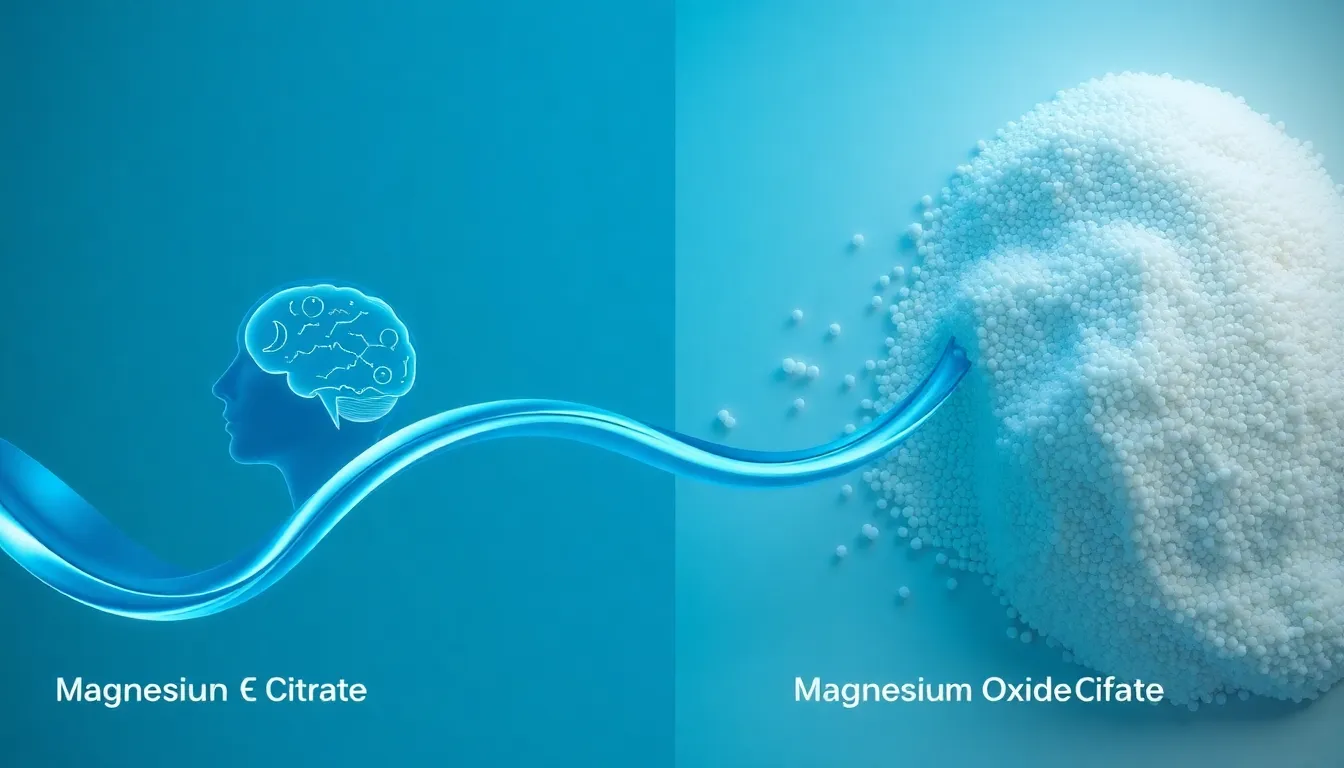
General Magnesium Replenishment vs. Minimal Impact: Citrate and Oxide
Magnesium is vital for bodily functions. For anxiety and sleep, choosing the correct form is crucial. Magnesium Citrate offers moderate bioavailability (25-30% absorption) for general replenishment. However, doses over 350 mg often cause osmotic laxative effects in approximately 40% of users. This limits its higher-dose use for neurological benefits.
Magnesium Forms: Key Differences for Wellness
Optimal results demand understanding distinct impacts:
- Magnesium Citrate: Moderate bioavailability (25-30% absorption). Laxative risk >350 mg (~40% users). Reduces anxiety 10-15%, improves sleep 10-18%. Benefits for general wellness are evident.
- Magnesium Oxide: Critically low bioavailability (~4% absorption). Increases serum magnesium only 3% (vs. citrate’s 11%). Primarily laxative/antacid; minimal systemic neurological benefit for anxiety or sleep. Effective advanced strategies are crucial for mental health support.
Featured image generated using Flux AI
Source
The Top Two Magnesium Forms for Targeted Brain Calming and Restful Sleep
How Magnesium’s Deep Impact on Your Nervous System Fights Anxiety and Improves Sleep
Synergistic Relief: Magnesium Taurate’s Calming Power
General Magnesium Replenishment vs. Minimal Impact: Citrate and Oxide
Source