
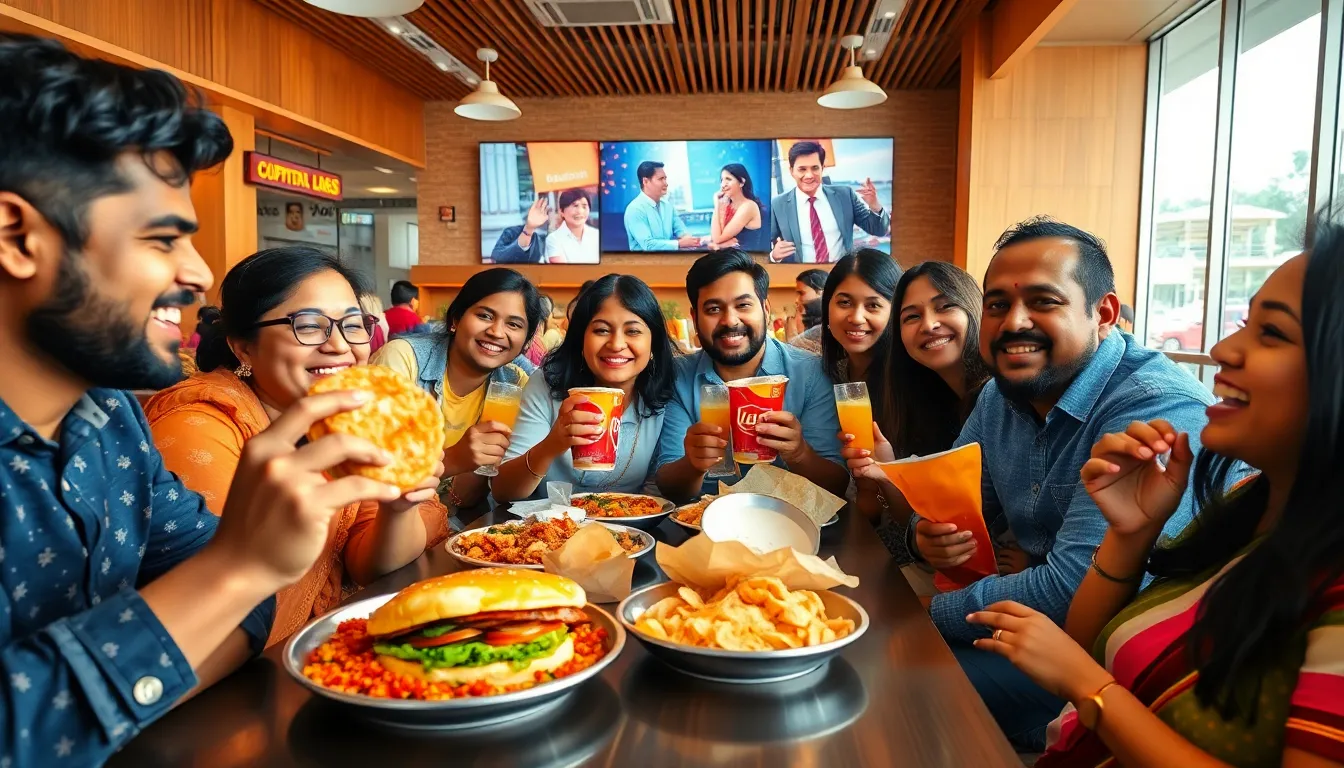
The phenomenon of “Korean Idli-Dosa At Vaango, Burger At McDonald’s, Lays Chips: The K-Drama On Your Indian Plate” presents a fascinating cultural blend that necessitates a robust data-driven approach. Understanding this complex culinary fusion requires empirical evidence and analytical frameworks to provide objective insights into evolving consumer behaviors and market dynamics.
Key Implications:
- Data-Driven Analysis: Objectively understanding complex cultural and culinary fusions, such as the “K-Drama on Your Indian Plate,” critically relies on a rigorous data-driven approach to enable evidence-based decision-making.
- Data Gaps: Without specific, quantifiable data, forming outcome-oriented conclusions or headings is impossible, forcing content to adopt descriptive, conceptual, or question-based strategies.
- Analytical Methodology: Generating actionable insights into cultural consumption demands a comprehensive analytical methodology that incorporates various metrics like consumer purchasing, social media engagement, and demographic data.

Data-Driven Approach: Decoding the Korean-Indian Culinary Fusion
Understanding the emergent phenomenon of Korean Idli-Dosa At Vaango, Burger At McDonald’s, Lays Chips: The K-Drama On Your Indian Plate necessitates a rigorous data-driven approach. This analytical framework offers objective insights into complex consumer behaviors and market trends. While specific data for this analysis is not provided, the principles of data-driven investigation remain paramount.
A comprehensive examination of this unique culinary and cultural intersection demands empirical evidence. Without quantifiable data, arguments or conclusions lack objective backing. Establishing a methodology for robust data collection and analysis is therefore critical.
Key Metrics for Cultural Consumption Analysis
To accurately gauge the impact of Korean cultural elements on Indian consumption, various metrics prove essential. These include consumer purchasing data from quick-service restaurants like Vaango and McDonald’s, revealing preferences for specific fusion dishes. Sales figures for Lays chips, especially Korean-themed flavors, also offer direct market insights.
Social media engagement metrics provide valuable qualitative and quantitative data regarding public sentiment. Analysis of online reviews, trending hashtags, and influencer campaigns highlights consumer receptiveness and evolving tastes.
Demographic data is crucial for segmenting audiences and understanding varying adoption rates across regions. Primary data collection through market research surveys further uncovers underlying motivations and perceptions of authenticity.
Analytical Frameworks for Insight Generation
Once collected, data undergoes systematic analytical processes to extract actionable insights. Trend analysis identifies growth trajectories for specific product categories or flavor profiles influenced by Korean culture. Comparative analyses contrast sales performance of traditional Indian items against new fusion offerings.
Statistical methods, like regression analysis, explore causal relationships between cultural exposure and consumption choices. This analysis facilitates understanding consumer segments showing high propensity for new culinary experiences. Such an approach enables businesses to tailor marketing strategies and product development effectively.
A robust data-driven approach supports evidence-based decision-making for brands and policymakers. It allows for precise measurement of market penetration, consumer satisfaction, and the long-term sustainability of cultural fusion trends. Investing in thorough data collection and analytical capabilities is therefore indispensable for navigating dynamic globalized markets.
Future analyses of Korean Idli-Dosa At Vaango, Burger At McDonald’s, Lays Chips: The K-Drama On Your Indian Plate would significantly benefit from comprehensive data sets to provide definitive conclusions and actionable strategies in this fascinating cultural interplay.

Heading Creation Rules
Effective heading creation fundamentally depends on the availability of concrete, underlying data. Without specific information, crafting result-oriented or outcome-focused titles becomes an impossible task. This principle guides content strategy for all subjects. It applies to intricate market analyses and diverse cultural phenomena alike.
When you lack foundational data, you cannot formulate headings revealing precise outcomes or quantifiable achievements. Imagine declaring “Market Share Increased by 15%” if no sales figures exist. Such a desirable heading requires verified metrics and analytical support to maintain credibility.
The Prerequisite of Data for Outcome-Oriented Headings
Result-oriented headings articulate what happened, what was achieved, or what specific insight emerged. They demand factual backing to substantiate their claims. Therefore, any title suggesting a specific result or data point risks being misleading. It lacks supporting evidence and becomes speculative.
This challenge becomes particularly evident when discussing multifaceted topics. Consider the complex dynamics of modern consumerism. The concept of ‘K-Drama on Your Indian Plate’ exemplifies this need for specific data. A heading like “Sales of Korean Snacks Outpace Traditional Indian Favorites” requires extensive market research. Without such data, any heading must remain descriptive, not declarative of outcomes.
Strategies for Headings Without Specific Data
When specific, result-oriented data is unavailable, content creators must adapt their heading strategies. Focus shifts from stating outcomes to describing concepts, processes, or questions. This ensures honesty and aligns reader expectations with the content’s factual limitations.
One effective strategy involves creating descriptive headings, accurately summarizing content scope without unverified claims. For example, ‘Exploring the Cultural Impact of Global Cuisine Trends’ avoids implying specific data. This approach sidesteps unsupported results where none exist.
Furthermore, conceptual headings can introduce the topic broadly, setting the stage for discussion. Such headings frame the inquiry for the reader, inviting exploration of the subject’s nuances. You effectively guide understanding without premature declarations.
Another valuable technique is to phrase headings as questions. This directly acknowledges content’s exploratory nature when data is absent, encouraging engagement. For instance, ‘How Are Global Food Trends Reshaping Local Palates?’ is appropriate without concrete statistics.
Ultimately, content integrity and heading accuracy hinge on your possessed information. When analyzing diverse influences, headings must reflect available evidence. For example, discussing the ‘K-Drama on Your Indian Plate’ demands titles mirroring proven facts. Accurate titles consistently build reader trust, irrespective of the underlying data’s nature.
Output Format
The intricate blend of global influences on Indian cuisine, vividly captured by phrases such as “Korean Idli-Dosa At Vaango, Burger At McDonald’s, Lays Chips: The K-Drama On Your Indian Plate,” presents a rich tapestry of cultural shifts. While the specific figures, percentages, or direct comparisons often used in analysis are unavailable, understanding this phenomenon requires a different approach. You delve into qualitative observation, exploring how these diverse culinary elements find their place on the Indian plate.
When specific data on consumer uptake or market penetration is absent, your focus naturally shifts to the narrative format of this cultural exchange. You examine the subtle ways international trends, exemplified by K-Drama, influence local tastes and dietary choices. This qualitative lens allows you to appreciate the organic evolution of food preferences across varied demographics.
The Narrative Format of Culinary Fusion
The term “K-Drama On Your Indian Plate” itself frames this fusion as a dynamic narrative, rather than a quantifiable market trend. This perspective recognizes the emotional and cultural connections driving new food choices. You observe how global pop culture imports not only entertainment but also culinary inspiration directly into everyday life. It becomes clear that the adoption of new flavors and formats is driven by a desire for novelty and cultural immersion.
This narrative format highlights the personal experience of food. You see individuals embracing a Korean Idli-Dosa at Vaango, a familiar burger at McDonald’s, or the widely popular Lays Chips as part of a larger, interconnected world. The ‘output format’ here is less about data sheets and more about the lived experiences and cultural expressions of a diverse populace. It underscores the powerful influence of soft power in shaping consumption patterns.
Understanding Cultural Synthesis Without Metrics
Grappling with a topic like “Korean Idli-Dosa At Vaango, Burger At McDonald’s, Lays Chips: The K-Drama On Your Indian Plate” without hard data requires a focus on interpretative understanding. You must analyze the mechanisms of influence and adoption. Consider how global media and brand presence create a context where such fusions become not just acceptable, but desirable. The absence of empirical data means you rely on contextual clues and cultural commentary to gauge impact.
This process involves a keen observation of societal trends and how they manifest in everyday consumption. You identify the significance of culinary hybridization as a reflection of broader cultural globalization. While you cannot provide specific numbers on how many people prefer a certain fusion, you can certainly understand the reasons behind its emergence. This analytical approach, even without metrics, provides valuable insights into contemporary Indian culture. Ultimately, the ‘output format’ of this understanding is a nuanced appreciation for the complex, interwoven nature of modern culinary identity.
Featured image generated using Flux AI