
Koreans brush teeth openly and together from childhood. Why? This distinctive cultural norm, contrasting with private grooming rituals elsewhere, is rooted in a deeply integrated system of public oral hygiene practices and specific societal factors. This widespread practice is reinforced by dedicated infrastructure and national health campaigns across all life stages.
Key Implications:
- Public health infrastructure: Extensive public health infrastructure and systematic integration of oral hygiene routines, from early childhood education to workplaces, fundamentally normalize communal brushing.
- Societal norms: Societal norms consider public toothbrushing a matter of social etiquette and professional courtesy, fostering a collective understanding of hygiene in shared environments.
- National health initiatives and culinary influences: National health initiatives, like the “3-3-3 rule,” combined with Korean cuisine’s strong flavors, drive the necessity for frequent, public post-meal oral care.
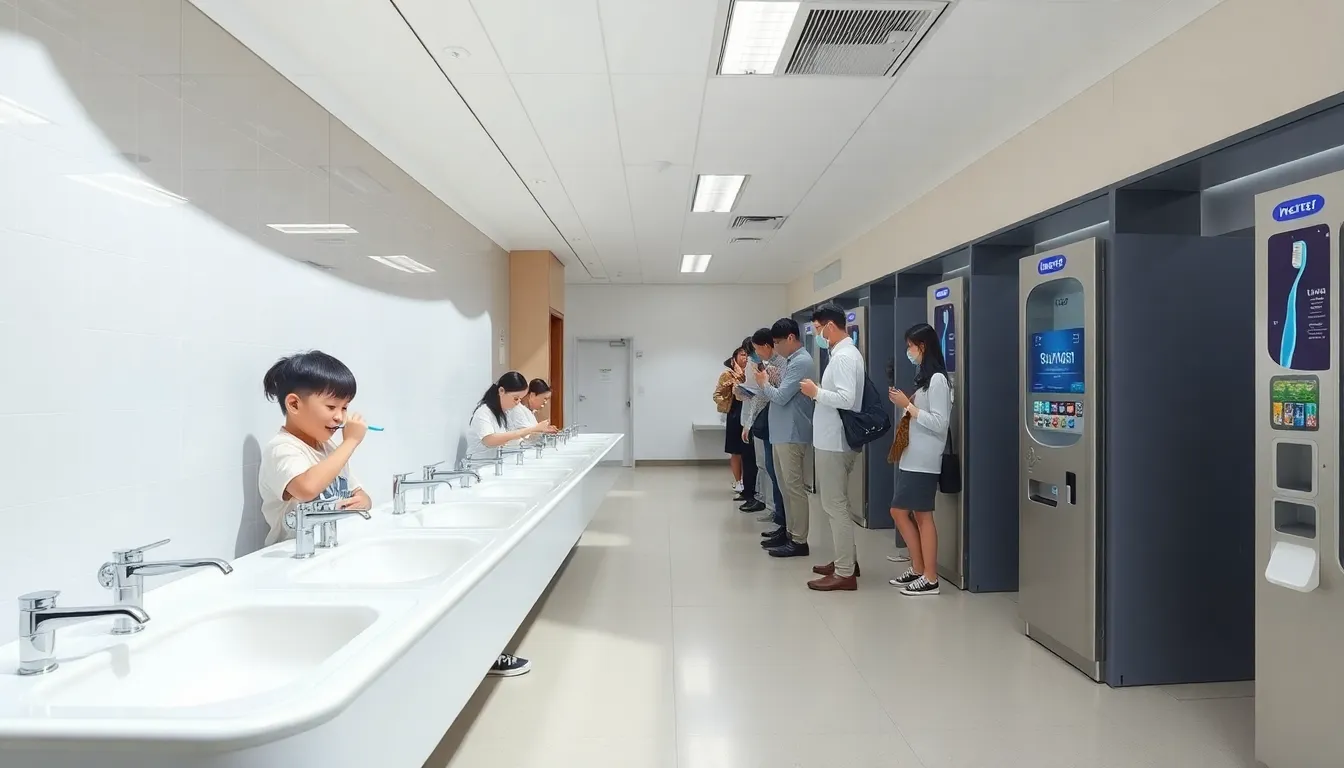
Integrated Public Brushing Practices from Early Childhood to Workplaces
Korea has systematically integrated public toothbrushing into daily routines. This progression extends from childhood education through adult workplaces. Dedicated infrastructure supports this routine across various public and private settings, addressing why Koreans brush teeth openly and together from childhood. Why?
Early Childhood and School Integration
Children in kindergartens and day cares participate in structured group toothbrushing sessions. Teachers guide these activities, often utilizing restrooms equipped with long sinks specifically designed for this activity. This early exposure normalizes communal oral hygiene.
The practice continues into the formal education system. By 2016, more than 100 elementary, middle, and high schools across Seoul had installed designated toothbrushing stations. This initiative underscores a national commitment to public dental health from an early age.
Workplace and Public Space Adoption
Group toothbrushing extends into adult professional environments. Office employees commonly brush their teeth about 10 to 15 minutes before the end of the lunch break, which typically runs from noon to 1 p.m. This routine is a standard part of the workday in many Korean offices.
Beyond traditional institutions, public spaces also facilitate this practice. Some highway rest areas feature convenient toothbrush vending machines. Additionally, study cafes in Noryangjin have introduced specialized “toothbrushing zones” for patrons. These amenities reflect the widespread acceptance of public oral care.
Cultural Contrast and Supporting Amenities
This systematic integration contrasts with private grooming rituals observed in countries like Canada. An English teacher noted the distinct cultural approach, where oral hygiene is typically a more personal activity. Korea’s public focus highlights a different societal norm regarding personal care.
Further supporting this communal oral hygiene, department store restrooms frequently provide mouthwash dispensers for public use. This amenity underscores the pervasive nature of public oral care in the country. The comprehensive development of facilities, from specialized daycare sinks to workplace stations, reinforces this public health commitment, directly answering why Koreans brush teeth openly and together from childhood.
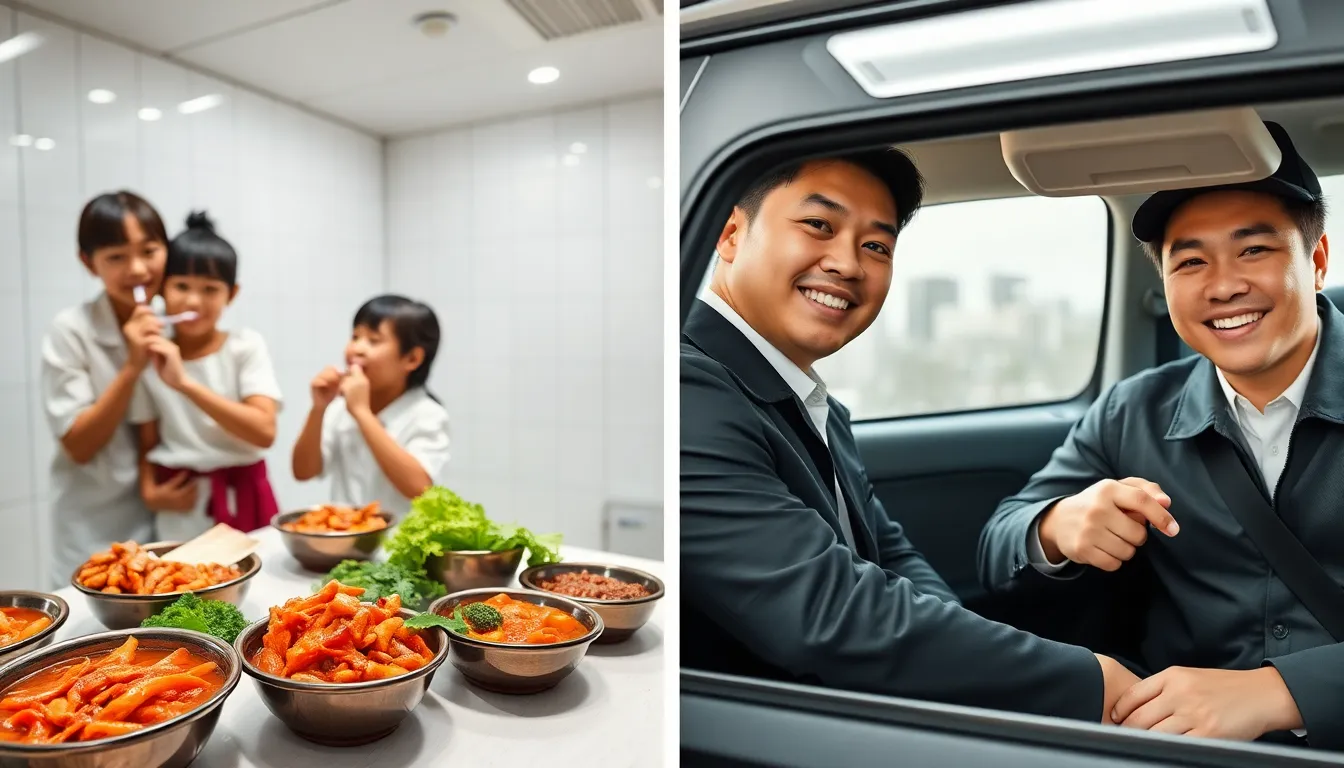
Oral Health Campaigns and Culinary Impact on Public Brushing Etiquette
Public toothbrushing is a normalized practice in South Korea, widely observed from childhood. This phenomenon results from a confluence of factors, including national health campaigns, distinct culinary traditions, and a cultural emphasis on social presentation.
The widespread embrace of open brushing among Koreans reflects a deeply ingrained aspect of daily etiquette. It highlights a shared understanding of personal hygiene and community standards in public spaces.
National Health Initiatives and Dietary Influences
The Korean Dental Association initiated the “3-3-3 rule” in the late 1980s. This public health campaign promoted brushing three times a day, within three minutes after eating, for three minutes each session. The rule significantly aimed to establish frequent and immediate post-meal oral hygiene as a national standard for all citizens.
Simultaneously, the inherent characteristics of Korean cuisine contribute significantly to this public practice. Many popular dishes incorporate potent ingredients like chili powder or garlic. These components tend to cling persistently to teeth, leaving strong, lingering odors. Korean culinary trends often feature bold flavors, necessitating prompt oral care.
The immediate necessity of removing food particles and mitigating strong odors becomes paramount after consuming such meals. This practical requirement effectively reinforces adherence to the “3-3-3 rule.”
This dual influence of a campaign-driven brushing frequency and the practical dietary necessity underpins the widespread adoption of consistent oral health practices. The campaign successfully established a habit that aligns directly with daily living requirements and social considerations.
Professor Cho Hyun-jae articulates that public toothbrushing is perceived as “social etiquette” within Korean society. This perspective primarily stems from a collective understanding regarding post-meal hygiene among individuals. People recognize the shared benefit of maintaining cleanliness, particularly in communal environments.
Furthermore, Korean schools and workplaces intentionally foster environments emphasizing group activities, contrasting with many Western countries. This collective orientation directly influences the perception of open brushing as an acceptable activity.
Performing routine hygiene tasks together becomes a natural extension of shared daily routines and public spaces. This reinforces the communal acceptance of public dental care. The societal normalization of public toothbrushing in Korea is thus reinforced through pervasive community expectations.
Professional Context and Public Necessity
For service industry professionals, engaging in public brushing frequently transcends personal preference and becomes a practical necessity. These workers often operate in environments that lack private facilities suitable for maintaining oral hygiene. Consequently, they must often rely on public restrooms or designated communal areas for such activities.
A taxi driver in his 70s, possessing over 15 years of experience in Gyeongju, provides a clear example of this professional imperative. He explicitly states that brushing publicly serves as a gesture of respect towards his passengers. This practice ensures fresh breath and a more pleasant environment for clients during his extended work shifts.
It highlights the direct link between hygiene and professional courtesy within the service sector. These service providers have limited practical alternatives for effective oral hygiene maintenance after consuming meals.
They commonly resort to brushing teeth in accessible public spaces, including restaurant restrooms or train stations. This practical dimension further solidifies the public’s acceptance of Koreans brushing teeth openly as an integrated and normal part of daily life.
Featured image generated using Flux AI
The Korea Herald: “Koreans brush teeth openly and together from childhood. Why?”