
Foods that naturally lower blood pressure, such as specific vegetables and fruits, offer powerful and measurable reductions in systolic and diastolic blood pressure. These dietary shifts, focusing on nitric oxide boosters, sodium balancers, omega-3s, anthocyanins, and whole grains, represent a potent strategy for managing hypertension through natural means.
Key Implications
- Nitric Oxide Boosters: Consuming nitrate-rich vegetables, like beetroot juice (250ml daily), can significantly lower Systolic Blood Pressure (SBP) by an average of 7.7 mmHg through enhanced nitric oxide production.
- Potassium Intake: Increasing daily potassium by 1,640 mg can reduce SBP by 4.7 mmHg, addressing a widespread deficiency where approximately 97.5% of the US population does not meet recommended daily intake.
- Omega-3 Fatty Acids: A daily intake of 3 grams of omega-3s is associated with a 2.6 mmHg SBP reduction, with individuals over 45 potentially seeing a 4.0 mmHg SBP drop from 2 grams daily.
- Anthocyanin-Rich Berries: Regular consumption of foods like blueberries (200g daily) can lower SBP by 2.7 mmHg (general) or 3.5 mmHg (blueberries) by enhancing endothelial function and reducing oxidative stress.
- Whole Grains and Fiber: Incorporating 3 daily servings (48 grams) of whole grains, such as oats, can lead to a 2-4 mmHg SBP reduction and helps bridge the significant gap in average fiber consumption.
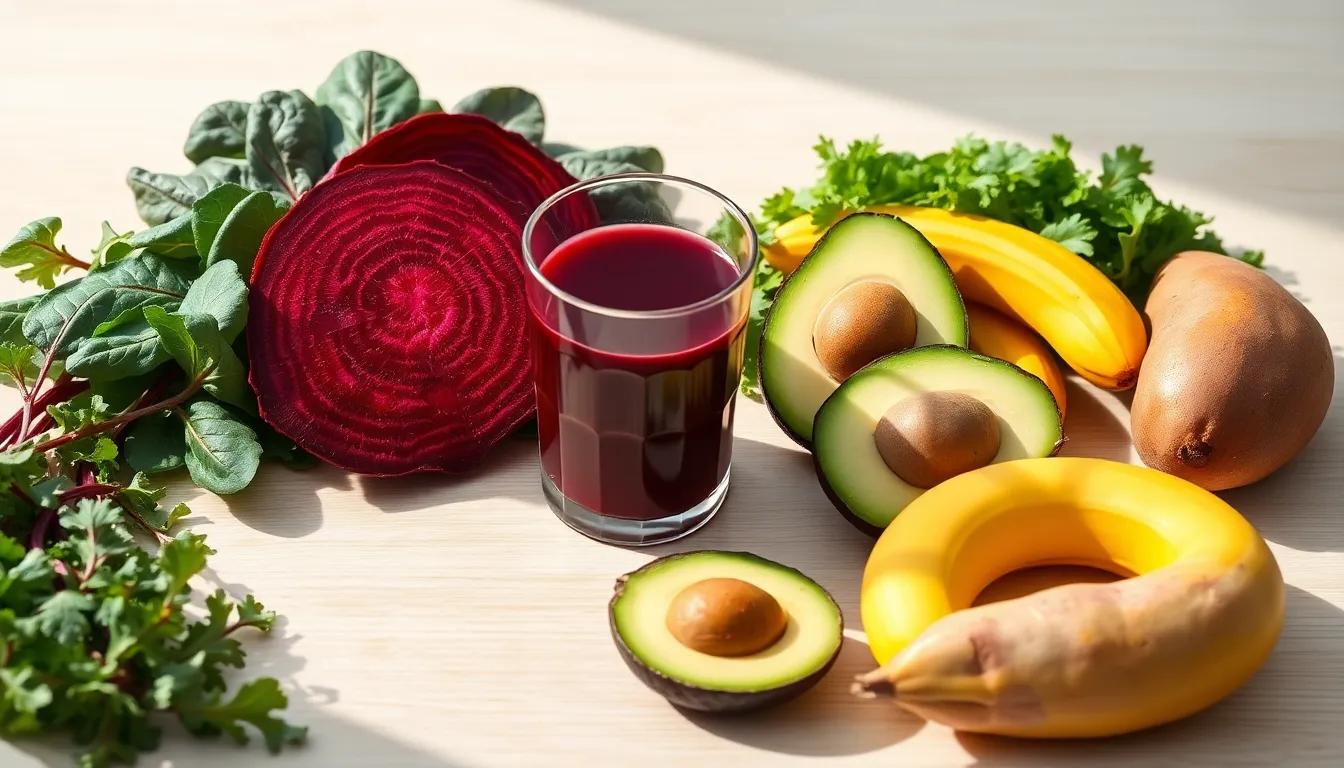
Unlocking a 7.7 mmHg SBP Drop: Nitric Oxide Boosters & Sodium Balancers
Certain vegetables offer the most dramatic single-food reductions in blood pressure by enhancing nitric oxide production. Simultaneously, specific fruits and vegetables are crucial for counteracting sodium and maintaining electrolyte balance, addressing a widespread dietary deficiency. These dietary shifts represent powerful strategies among foods that naturally lower blood pressure. Focusing on these specific nutritional pathways can yield significant health benefits for many individuals seeking to manage their hypertension.
A specific clinical trial highlighted the remarkable impact of targeted dietary interventions. Participants who consumed 250ml of beetroot juice daily for four weeks experienced a substantial 7.7 mmHg reduction in Systolic Blood Pressure (SBP) and a 5.2 mmHg reduction in Diastolic Blood Pressure (DBP). SBP measures the pressure in your arteries when your heart beats, while DBP measures it when your heart rests between beats. Even daily consumption of beetroot juice, on average, provides a noticeable 4.4 mmHg SBP and 1.1 mmHg DBP reduction, underscoring its consistent benefits.
The Nitric Oxide Advantage: Harnessing Beetroot’s Power
Beetroot and other leafy green vegetables are rich in nitrates. When consumed, these dietary nitrates convert into nitric oxide (NO) within the body. Nitric oxide is a powerful vasodilator, meaning it helps to relax and widen blood vessels. This relaxation reduces the overall resistance in your circulatory system, leading directly to lower blood pressure readings. Enhancing nitric oxide production is a cornerstone of utilizing foods that naturally lower blood pressure.
Incorporating these nitrate-rich foods into your daily diet is a straightforward yet effective strategy. Beyond beetroot, consider adding spinach, arugula, and Swiss chard to your meals. Their consistent consumption supports healthy blood vessel function and contributes to sustained blood pressure management. The direct impact on vascular health makes these vegetables invaluable components of a heart-healthy eating plan.
Potassium: The Essential Sodium Counterbalance
While nitric oxide boosters address vascular relaxation, addressing electrolyte balance is equally vital for blood pressure control. Specific fruits and vegetables are packed with potassium, an essential mineral that plays a critical role in fluid balance and nerve signaling. Potassium actively works to counteract the effects of sodium in the body, which is often consumed in excessive amounts in modern diets.
Increasing potassium intake by just 1,640 mg per day has been shown to reduce SBP by 4.7 mmHg and DBP by 3.5 mmHg. This significant drop demonstrates potassium’s profound influence on cardiovascular health. Unfortunately, this essential mineral is widely deficient in the average diet. Approximately 97.5% of the US population does not meet the recommended daily intake for potassium, which stands at 3,510 mg.
This widespread deficiency highlights a critical area for dietary improvement. Prioritizing potassium-rich foods that naturally lower blood pressure can effectively balance electrolytes and mitigate the harmful effects of excess sodium. Excellent sources include bananas, avocados, sweet potatoes, leafy greens, and beans. Making a conscious effort to include these items regularly can bridge the nutritional gap and contribute significantly to blood pressure regulation.
Embracing these powerful food strategies offers a natural and effective path to improved blood pressure. By focusing on both nitric oxide-boosting vegetables and potassium-rich fruits, individuals can leverage the intrinsic benefits of whole foods. This dual approach provides a comprehensive dietary solution for maintaining optimal cardiovascular health and achieving tangible reductions in blood pressure.
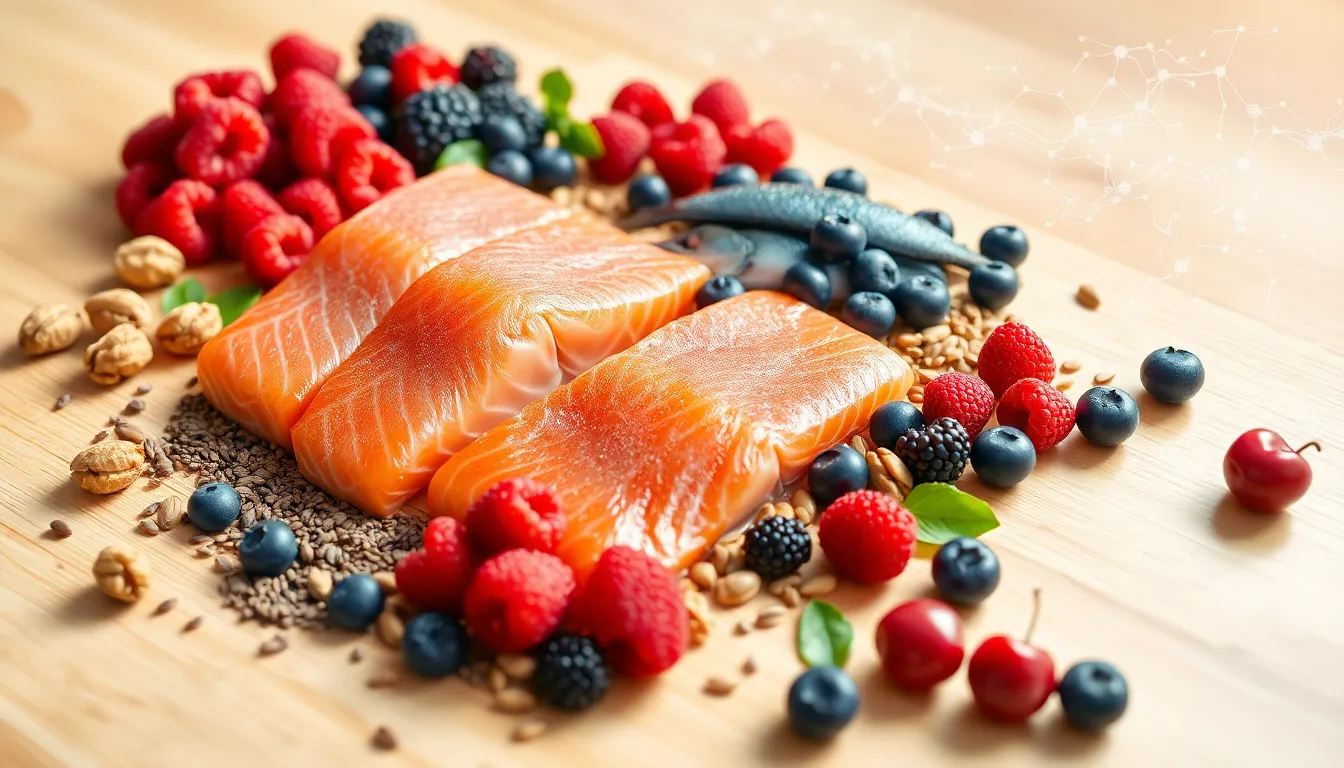
Achieving an Additional 4.0 mmHg SBP Reduction with Anti-Inflammatory Power
Beyond the conventional approaches of direct vasodilation and managing sodium intake, a strategic dietary shift can significantly impact blood pressure levels. Incorporating specific fats and antioxidant-rich berries offers a powerful pathway to better cardiovascular health. These particular foods that naturally lower blood pressure work by improving vascular health, reducing systemic inflammation, and enhancing critical endothelial function. This integrated approach can lead to substantial reductions, including the possibility of achieving an additional 4.0 mmHg SBP reduction for certain groups.
Improved vascular health ensures arteries remain flexible and efficient, optimizing blood flow throughout the body. Reducing inflammation minimizes damage to blood vessel walls, a common precursor to hypertension. Endothelial function refers to the proper working of the inner lining of blood vessels. A healthy endothelium helps regulate blood pressure, prevent clots, and maintain overall arterial integrity. Understanding and addressing these biological mechanisms provides a robust strategy for blood pressure management. For more insights on addressing these underlying issues, consider exploring early signs of silent inflammation.
The Power of Omega-3 Fatty Acids for Vascular Health
Omega-3 fatty acids are polyunsaturated fats renowned for their anti-inflammatory properties and cardiovascular benefits. These essential fats play a vital role in maintaining the elasticity of blood vessels and supporting healthy blood flow. Studies have consistently demonstrated their efficacy in lowering blood pressure. The evidence suggests that regular intake can lead to meaningful reductions in both systolic (SBP) and diastolic (DBP) blood pressure readings.
Specifically, an average daily intake of 3 grams of omega-3 fatty acids was associated with a 2.6 mmHg SBP and 1.6 mmHg DBP reduction. This significant benefit highlights the importance of consistent consumption. For individuals over the age of 45, the impact becomes even more pronounced. In this demographic, approximately 2 grams per day of omega-3s was linked to a 4.0 mmHg SBP reduction. This data point directly addresses our goal of achieving an additional 4.0 mmHg SBP reduction through dietary means.
To integrate these beneficial fats into your diet, focus on sources like fatty fish such as salmon, mackerel, and sardines. Plant-based options include flaxseeds, chia seeds, and walnuts, which are excellent additions to meals. Aiming for 2-3 servings of fatty fish per week or incorporating daily ground flaxseeds into your routine can help meet these recommended intakes. These specific fats are crucial foods that naturally lower blood pressure, contributing to long-term arterial health.
Anthocyanins: Berry Boost for Endothelial Function
Anthocyanins are powerful antioxidants responsible for the vibrant red, purple, and blue hues found in many fruits and vegetables. These compounds are particularly beneficial for endothelial function and reducing oxidative stress. By protecting blood vessel linings and reducing inflammation, anthocyanins help arteries relax and expand properly, leading to lower blood pressure. Their protective effects contribute significantly to overall cardiovascular resilience.
The impact of anthocyanin-rich foods on blood pressure is well-documented. Regular consumption of anthocyanin-rich foods resulted in an average reduction of 2.7 mmHg in SBP and 1.6 mmHg in DBP. This underscores the broad benefit of including these colorful fruits in your daily diet. When focusing on specific sources, blueberries emerge as a standout. A daily intake of 200 grams of blueberries was associated with a 3.5 mmHg SBP reduction, demonstrating their potent antihypertensive effects.
These vibrant berries are powerful foods that naturally lower blood pressure. Incorporate a variety of anthocyanin-rich berries into your daily routine. Blueberries, raspberries, blackberries, and cherries are all excellent choices. Add them to smoothies, oatmeal, yogurt, or enjoy them as a standalone snack. Consistent intake is key to harnessing their full potential for vascular health. Embracing these dietary adjustments can profoundly influence your blood pressure readings, offering a natural and effective strategy.
Beyond these specific nutrients, adopting a holistic approach to your diet and lifestyle supports overall metabolic health. Focusing on whole, unprocessed foods that naturally lower blood pressure, combined with regular physical activity, creates a synergistic effect. This comprehensive strategy not only targets blood pressure but also contributes to broader wellness. For more on improving your health outlook, you might find valuable information on how to reverse prediabetes naturally or other comprehensive health resources.
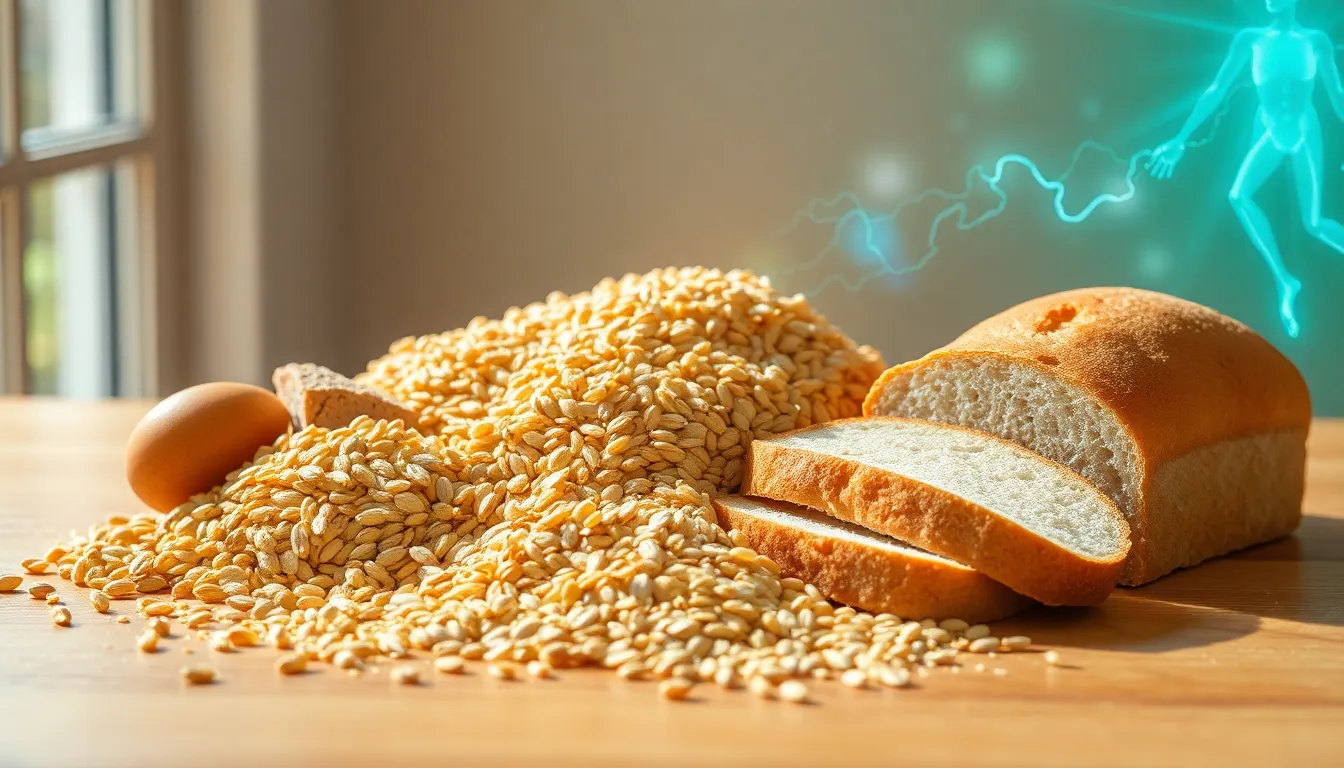
Bridging the Fiber Gap for a 2-4 mmHg SBP Improvement
Whole grains stand out as foundational benefits for blood pressure regulation. They offer a rich profile of fiber, magnesium, and potassium, effectively addressing common dietary shortfalls. These components contribute significantly to overall cardiovascular health. Notably, a daily intake of 3 servings (approximately 48 grams) of whole grains was associated with a 2-4 mmHg lower SBP (Systolic Blood Pressure). This makes whole grains one of the most effective foods that naturally lower blood pressure.
The Foundational Role of Whole Grains
The comprehensive nutrient profile of whole grains provides a robust foundation for maintaining optimal health. Their inclusion in the daily diet helps in mitigating prevalent dietary deficiencies. This strategic consumption directly supports the body’s natural mechanisms for blood pressure management, offering a sustainable path to better cardiovascular well-being.
Fiber, magnesium, and potassium are key players in this beneficial effect. Fiber aids in digestive health and cholesterol management, while magnesium is vital for muscle and nerve function, including the relaxation of blood vessel walls. Potassium, on the other hand, is crucial for balancing fluid levels and counteracting the effects of sodium, both of which are critical for blood pressure control.
Addressing the Fiber Shortfall
A significant concern in modern diets is the widespread fiber gap. The average daily fiber intake in many Western populations is approximately 15 grams, significantly below the recommended 25-30 grams. This shortfall deprives the body of numerous health benefits, including those directly related to blood pressure regulation. Bridging this gap is an essential step toward achieving the documented SBP improvements.
Increasing fiber intake through whole grains can improve gut health and promote a feeling of fullness. These benefits, in turn, contribute to healthier weight management and reduced systemic inflammation, both indirectly supporting lower blood pressure. A conscious effort to increase dietary fiber is a practical and impactful strategy for better health.
Potent Mineral Support: Magnesium and Potassium
Magnesium is an essential mineral involved in over 300 enzymatic reactions in the body. Its presence in whole grains contributes to various physiological processes, including nerve signal transmission and muscle contraction. Adequate magnesium intake is vital for maintaining the proper function of blood vessels, which in turn helps regulate blood pressure.
Potassium works synergistically with magnesium to support cardiovascular health. This electrolyte is fundamental in balancing sodium levels within the body. By promoting the excretion of excess sodium through urine, potassium helps to reduce fluid retention and ease the strain on blood vessel walls. This action is a key mechanism through which whole grains act as foods that naturally lower blood pressure.
Oats: A Proven Pathway to Lower Blood Pressure
Among whole grains, oats have shown particularly promising results in clinical studies. Consuming approximately 30 grams of whole oats daily for 12 weeks was shown to reduce SBP by an average of 2.7 mmHg and DBP (Diastolic Blood Pressure) by an average of 1.5 mmHg. This specific, measurable reduction highlights the powerful impact of a simple dietary addition.
Incorporating oats into your daily routine is straightforward. Options like oatmeal for breakfast, adding oats to smoothies, or using oat flour in baking can help meet this target consistently. The sustained intake of oats contributes to the long-term management of blood pressure, making them an excellent choice for those seeking to improve their cardiovascular health naturally.
Practical Steps for Daily Whole Grain Integration
Achieving the recommended 3 servings, or approximately 48 grams, of whole grains daily is a practical goal for many. Simple swaps can make a significant difference, such as choosing whole-wheat bread over white bread, opting for brown rice or quinoa instead of refined grains, and regularly enjoying a bowl of oatmeal. These small changes accumulate to powerful health benefits.
Beyond their direct impact on blood pressure, whole grains contribute to overall well-being. Their consistent inclusion in your diet can help in managing weight, improving digestion, and reducing the risk of chronic diseases. For those interested in broader health improvements, understanding how to reverse prediabetes naturally can complement the benefits derived from incorporating more foods that naturally lower blood pressure. Embracing whole grains is a simple yet profound step towards a healthier lifestyle and mitigating conditions like silent inflammation, further supporting cardiovascular health.
Featured image generated using Flux AI
Source
World Health Organization – Guideline: Potassium intake for adults and children
American Heart Association – Fish and Omega-3 Fatty Acids
British Heart Foundation – Beetroot and blood pressure
National Institutes of Health, Office of Dietary Supplements – Potassium Fact Sheet for Health Professionals
Journal of the American Heart Association – Effects of Increased Potassium Intake on Cardiovascular Disease Risk Factors: A Systematic Review and Meta-Analysis
The Journal of Nutrition – Berry Anthocyanin Intake and Cardiovascular Disease Risk
British Journal of Nutrition – Whole grain consumption and cardiovascular disease risk: a systematic review and meta-analysis of cohort studies
Nutrients – Dietary Nitrate and Nitric Oxide: The New Food Pyramid
Atherosclerosis – Effect of regular consumption of beetroot juice on blood pressure in individuals with high normal blood pressure or stage 1 hypertension: A randomized, placebo-controlled trial
European Journal of Clinical Nutrition – The effect of regular whole-grain oat intake on blood pressure and blood lipids in hypertensive patients: a randomized, double-blind, placebo-controlled trial