
During a recent high-profile visit, the First lady shares traditional Korean food recipe with chefs, students in South Africa, spearheading a significant culinary diplomacy initiative. This engagement effectively showcased Korea’s rich culinary heritage, including UNESCO-recognized traditions like Jang and Kimchi, to foster deeper bilateral friendship and cultural understanding.
Key Implications:
- Cultural Diplomacy and Exchange: The First Lady’s demonstrations acted as a powerful tool for soft power diplomacy, fostering mutual understanding and strengthening bilateral ties between South Korea and South Africa through direct culinary and cultural interaction.
- Promotion of Korean Culinary Heritage: The event effectively showcased fundamental Korean cooking principles, emphasizing the “essence” of Jang products (doenjang, ganjang, gochujang) and highlighting UNESCO-recognized traditions like Kimchi and Jang making, thereby elevating global appreciation for Korean gastronomy.
- Professional and Educational Engagement: By targeting local South African chefs and students, the interactive culinary demonstrations and diverse cultural performances provided valuable hands-on experience and insights, cultivating future culinary leaders and cultural ambassadors while bridging traditional and modern Korean expressions.
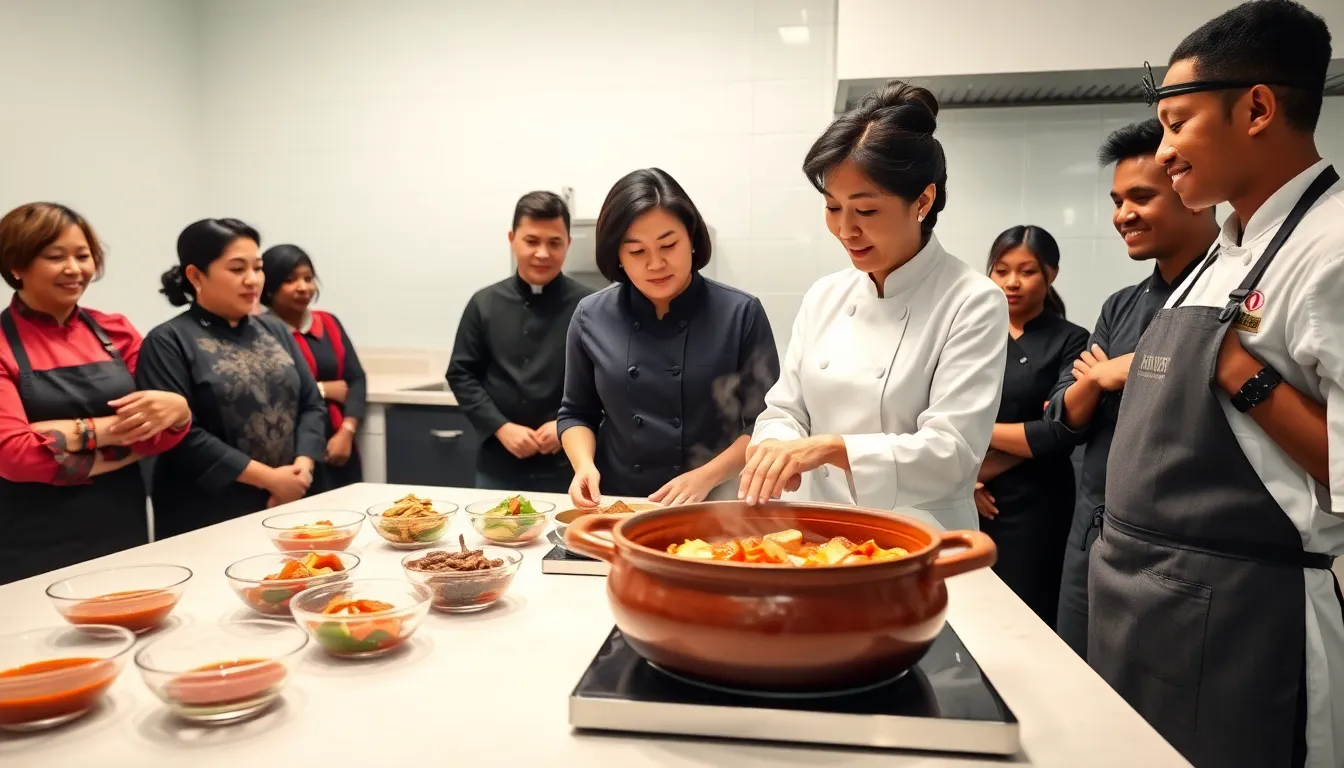
Traditional Jang-Based Stew Highlights Korean Culinary Core for South African Chefs
First Lady Kim Hea Kyung recently led a significant culinary demonstration in Johannesburg, South Africa. On November 22, she showcased a traditional Korean stew at the Korean Cultural Center. This event engaged local chefs and students, fostering cultural exchange. It highlighted how the First lady shares traditional Korean food recipe with chefs, students in South Africa.
Her background as an esteemed author of a Korean recipe book gave substantial authority to the event. This expertise reinforced the credibility of shared culinary techniques and cultural insights. The demonstration became a valuable educational platform.
Understanding Traditional Korean Stews
The demonstration focused specifically on a Korean stew primarily made with doenjang, a traditional fermented soybean paste. This particular dish served as an exemplary model for fundamental Korean cooking principles. It highlighted the essential role of fermented ingredients in creating depth of flavor.
Doenjang contributes a uniquely savory, earthy profile to Korean stews, distinguishing them from other global cuisines. Its fermentation process develops complex umami notes, which are vital for authentic taste. This paste is considered a cornerstone of everyday Korean meals.
The Essence of Jang Products
During the event, three core ingredients were presented as the undisputed “essence” of Korean cuisine. These include doenjang (soybean paste), ganjang (soy sauce), and gochujang (red pepper paste). Collectively, these are known as “jang” products.
These traditional pastes embody deep flavors that result from long fermentation periods. This intricate process transforms simple ingredients into complex, aromatic flavor bases. These are indispensable for authentic Korean taste and appreciation.
The characteristics of these jang products are distinct yet complementary:
- Doenjang: Offers a robust, savory earthiness, forming the base of many hearty stews and vegetable dishes.
- Ganjang: Provides a clean, umami-rich saltiness, essential for seasoning and balancing flavors in virtually all Korean cooking.
- Gochujang: Delivers a nuanced heat alongside sweet and savory undertones, crucial for spicy dishes and marinades.
This exploration of jang products provided a comprehensive understanding of their culinary applications. The demonstration effectively communicated their importance in shaping the overall Korean palate. It emphasized their central role far beyond simple seasoning, reinforcing how the First lady shares traditional Korean food recipe with chefs, students in South Africa effectively communicates these culinary foundations.
First Lady’s Expertise and Culinary Diplomacy
First Lady Kim Hea Kyung’s personal background significantly validated the culinary expertise presented. Her firsthand knowledge offered an authentic perspective on preparing traditional dishes. This resonated strongly with the attending chefs and students.
The event at the Korean Cultural Center in Johannesburg facilitated a meaningful cross-cultural dialogue. It allowed South African attendees to gain practical, hands-on insights into a rich culinary heritage. This type of engagement is vital for promoting international understanding of diverse food cultures.
The demonstration underscored the timeless appeal and versatility of Korean ingredients. It actively encouraged the exploration of Korean gastronomy, potentially inspiring new culinary creations. Similar cultural culinary exchanges increasingly influence global food trends, such as those impacting K-drama culinary trends. This event also significantly fostered global appreciation for Korean cuisine and cultural exchange.
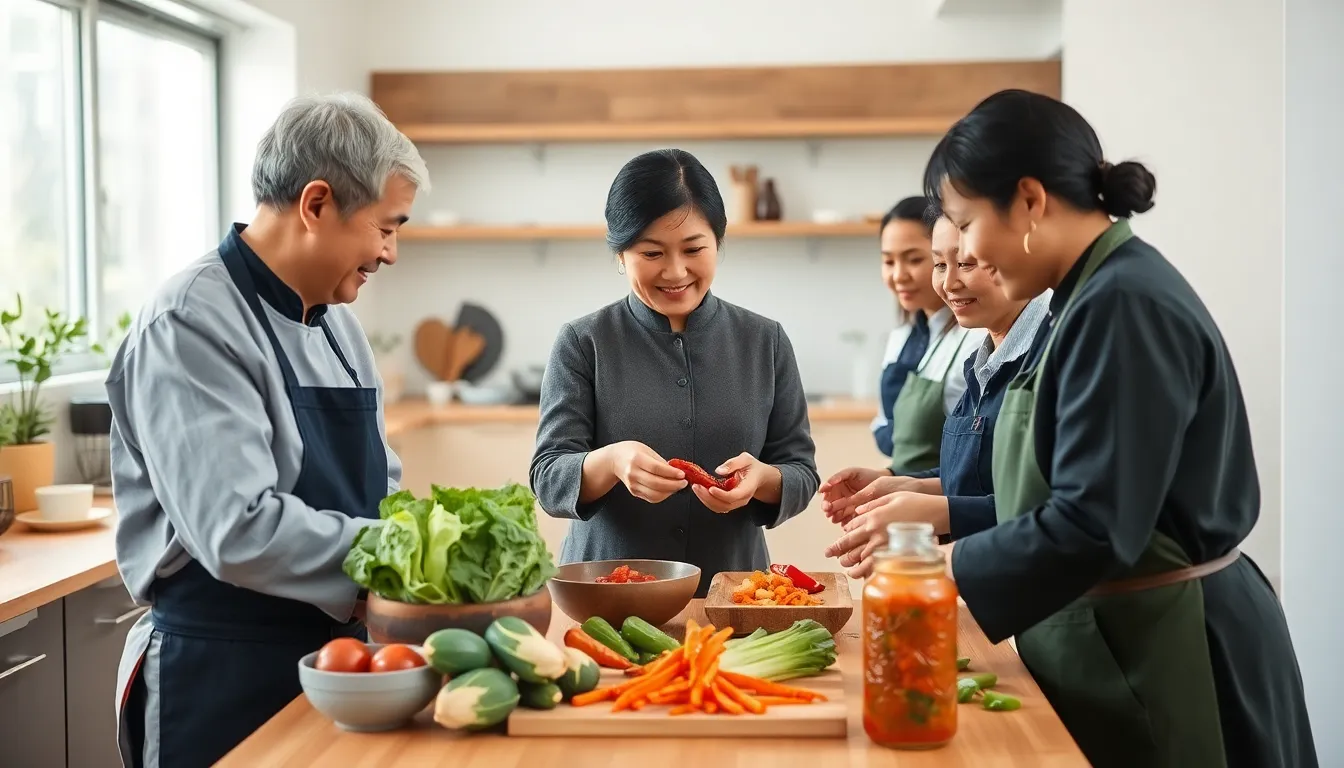
UNESCO-Listed Food Traditions Deepen Bilateral Friendship Amid G20 Summit
A significant culinary event recently showcased traditional Korean food to strengthen diplomatic ties with South Africa. This initiative occurred in Johannesburg during a high-level G20 summit, aiming to foster deeper friendship between the two nations. Such strategic utilization of culturally significant food traditions is a key aspect of modern diplomacy.
Diplomatic Engagement at the G20 Summit
First Lady Kim Hea Kyung attended the Group of 20 (G20) summit in Johannesburg, accompanying President Lee Jae Myung. This high-profile diplomatic visit provided a unique platform for cultural exchange. The event underscored South Korea’s commitment to engaging globally through diverse means.
The First Lady’s participation exemplified soft power diplomacy in action. She actively engaged with local chefs and students, demonstrating the preparation of traditional Korean dishes. This direct cultural interaction aimed to build bridges and mutual understanding, complementing the summit’s formal agenda.
Leveraging UNESCO-Recognized Culinary Heritage
The culinary event strategically harnessed two of Korea’s UNESCO-registered food traditions as a cornerstone of its diplomatic outreach. These practices are globally recognized for their profound cultural value and historical significance. Their selection highlighted Korea’s rich heritage on an international stage, captivating attendees.
Specifically, the Kimchi-making tradition holds a distinguished registration as a UNESCO Intangible Cultural Heritage. This cherished practice embodies a communal spirit and stands as a fundamental aspect of Korean identity. Its international recognition reinforces its importance as a global cultural asset.
Concurrently, the Jang-making traditions, encompassing the intricate creation of essential fermented sauces, also boast UNESCO Intangible Cultural Heritage status. These traditions represent centuries of culinary mastery and contribute profoundly to Korean gastronomy. Featuring these specific, culturally resonant traditions maximized their impact during the diplomatic engagement.
These unique food traditions offered participants a tangible connection to Korean culture. The demonstration where the First lady shares traditional Korean food recipe with chefs, students in South Africa served an educational purpose. It enhanced appreciation for Korean heritage and culinary art among the South African audience.
Fostering Deeper Friendship Through Culinary Exchange
First Lady Kim Hea Kyung clearly articulated the event’s overarching goal: strengthening international bonds. She conveyed, “I hope the friendship between our two countries will also deepen,” directly linking the culinary exchange to bilateral relations. This statement positioned the event as a vital investment in future diplomatic ties.
The First Lady thoughtfully drew an analogy between the patient maturation process of traditional fermented sauces and the deepening of friendship between South Korea and South Africa. This metaphor suggested that strong, enduring relationships, much like well-fermented foods, require dedicated time, care, and cultivation. Such a profound message resonated, emphasizing the long-term vision for mutual respect and growth.
This strategic utilization of culturally significant food traditions in diplomatic engagement aimed for a lasting impact. The event demonstrated how cultural sharing, such as when the First lady shares traditional Korean food recipe, can build bridges of understanding. Such initiatives are crucial for fostering global solidarity and reinforcing diplomatic connections in a meaningful way.
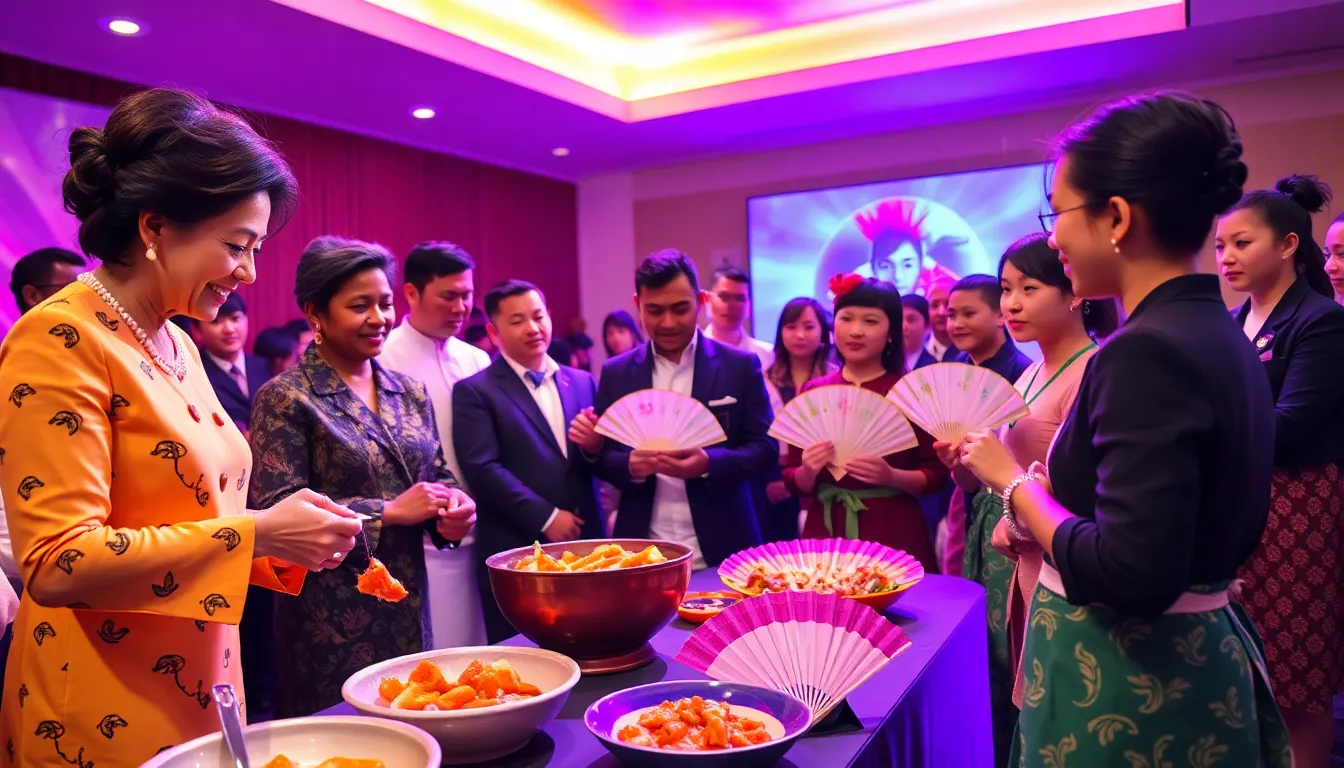
Direct Culinary Interaction and Diverse Student Performances Foster Cultural Exchange
A recent cultural exchange event in South Africa effectively utilized direct, hands-on food interaction. This approach aimed to significantly broaden cultural understanding among its audience.
The initiative was led by the First Lady, who personally tore and shared kimchi. Her direct involvement underscored the authentic, personal nature of traditional Korean culinary practices.
The event specifically targeted South African chefs and students. This discerning audience facilitated a robust educational and professional exchange, extending beyond mere cultural immersion.
Engaging Through Interactive Culinary Demonstrations
The event’s core involved a highly interactive culinary demonstration. Participants gained firsthand experience with Korean cuisine, fostering immediate and tangible connections.
The First Lady’s personal engagement created a memorable and impactful experience. She explicitly demonstrated the traditional method of tearing and sharing kimchi with attendees.
Her statement emphasized, “Kimchi tastes even better when it’s torn by hand.” This highlighted the deeply rooted communal and personal aspects of Korean food preparation and enjoyment.
This hands-on methodology fostered a profound appreciation for Korean food culture. It moved beyond passive observation, actively promoting engagement and cultural transmission.
Focusing on chefs and students ensured a targeted professional and educational impact. Attendees gained valuable practical experience and specific culinary insights into Korean traditions.
The event thus served as a unique platform for specialized skill development. It prepared future culinary leaders and cultural ambassadors within South Africa’s professional community.
Showcasing Diverse Korean Cultural Expressions
Following the culinary segment, the program diversified into a series of dynamic student performances. These showcases vividly highlighted the rich tapestry of Korean culture, illustrating the nation’s evolving identity.
The presentations featured a diverse range of traditional and modern Korean performances. This variety ensured comprehensive exposure to multiple facets of Korean artistry and heritage.
Traditional Korean culture was prominently displayed through student renditions of the folk song Arirang. This evoked a deep sense of historical depth and cultural resonance for the audience.
Elegant traditional Korean fan dances also captivated the audience. These movements demonstrated intricate artistry and historical significance, reflecting centuries of tradition.
Conversely, modern K-pop songs were energetically performed by students. This segment powerfully demonstrated Korea’s contemporary global cultural impact and widespread appeal.
The K-pop performances reflected dynamic appeal and innovation. They connected ancient traditions to current K-pop culture trends and global influence, bridging past and present.
This comprehensive cultural showcase deepened participants’ understanding of Korea’s multifaceted identity. It ensured an informative and highly engaging exchange for all attendees, fostering genuine appreciation.
Featured image generated using Flux AI
KOREA JOONGANG DAILY: “First lady shares traditional Korean food recipe with chefs, students in South Africa”