
Early signs of silent inflammation, often affecting 20-30% of seemingly healthy adults, are crucial hidden indicators that can signal a heightened risk for future chronic diseases. Recognizing these subtle shifts in blood biomarkers, physical symptoms, and bodily cues enables proactive health management long before overt illness manifests.
Key Implications
- Biomarker Detection: Subclinical elevation of blood markers like high-sensitivity C-reactive protein (hs-CRP) between 1.0-3.0 mg/L, Interleukin-6 (IL-6), and TNF-α provides the earliest warning of systemic inflammation, indicating a 1.5-fold higher risk of developing chronic conditions.
- Systemic Manifestations: Persistent fatigue (increased likelihood by 45%), cognitive decline (“brain fog” reported by 30%), and mood instability (e.g., 25% report increased anxiety) are common, often inexplicable, symptoms that signal underlying silent inflammation.
- Abdominal Fat’s Role: An increase in abdominal fat is a significant physical indicator, with a 1-standard deviation increase in waist circumference linked to a 20% higher risk of elevated C-reactive protein (CRP), particularly affecting 34% of overweight and 66% of obese individuals.
- Localized Alerts: Non-specific digestive distress, unexplained skin changes (e.g., persistent redness, 28% showing elevated IL-6/TNF-α), and mild, intermittent joint stiffness or muscle aches serve as localized alerts reflecting broader systemic inflammatory processes.
- Critical Intervention Window: Biomarker detection provides a crucial window of approximately 3 years before overt symptoms typically emerge, offering a vital opportunity for timely lifestyle modifications and interventions to prevent disease progression.

Hidden Numbers: The 20-30% of Adults with Elevated Risk
The most direct and often earliest indicator of silent inflammation is the subclinical elevation of specific blood biomarkers. This crucial early warning system can signal an increased risk for future chronic diseases, often long before any noticeable physical symptoms appear. Identifying these early signs of silent inflammation allows for proactive health management.
A primary marker in this assessment is high-sensitivity C-reactive protein (hs-CRP). It measures low-grade, systemic inflammation, not just acute infections. Additionally, other pro-inflammatory cytokines such as Interleukin-6 (IL-6) and tumor necrosis factor-alpha (TNF-α) play significant roles. These molecules are crucial mediators of the immune response, and their persistent elevation indicates ongoing inflammatory processes.
Alarmingly, a significant portion of the population carries this hidden risk. Research indicates that 20-30% of seemingly healthy adults exhibit elevated risk due to subclinical inflammation. For hs-CRP levels, a range between 1.0 mg/L and 3.0 mg/L is considered a critical zone, suggesting a state of chronic low-grade inflammation. This silent condition can silently erode health over time without obvious warning signs.
Decoding Biomarkers: hs-CRP as a Critical Indicator
High-sensitivity C-reactive protein (hs-CRP) is not merely a marker for infection; it is a highly sensitive indicator of systemic inflammation. Its measurement helps identify the subtle, persistent inflammatory activity that defines the early signs of silent inflammation. This marker offers a window into potential underlying health issues before they manifest as full-blown diseases.
The presence of hs-CRP levels between 1.0 mg/L and 3.0 mg/L is particularly noteworthy. Individuals within this range have a 1.5-fold higher probability of developing symptoms associated with chronic conditions. This statistic underscores the predictive power of hs-CRP, highlighting its importance in preventive health strategies.
Understanding these numbers empowers individuals to take action. This elevated risk suggests that lifestyle modifications and medical interventions could significantly alter future health trajectories. Acting on these early indicators can help prevent the progression to more severe diseases, emphasizing the value of timely detection.
Interleukin-6 and TNF-α: Unveiling Deeper Inflammation
Beyond hs-CRP, Interleukin-6 (IL-6) serves as another vital biomarker for silent inflammation. IL-6 is a potent pro-inflammatory cytokine involved in immune responses and inflammation. When an individual’s IL-6 levels fall within the upper quartile, it signifies a heightened inflammatory state. This indicates a more active and potentially damaging systemic inflammatory process.
Tumor necrosis factor-alpha (TNF-α) is also a key player in the inflammatory cascade. It is a cytokine that promotes inflammation and cellular damage, contributing to many chronic diseases. The combined assessment of hs-CRP, IL-6, and TNF-α provides a comprehensive picture of an individual’s inflammatory burden, offering deeper insights than any single marker alone.
These biomarkers collectively point to the insidious nature of silent inflammation. Their subclinical elevation suggests a constant, low-level assault on the body’s tissues and organs. This ongoing process, if left unchecked, can significantly contribute to the development of serious health issues over time.
Proactive Steps Against Silent Inflammation
Identifying these hidden numbers offers a critical opportunity for intervention. Recognizing the early signs of silent inflammation enables individuals and healthcare providers to implement preventative measures. Lifestyle adjustments, including dietary changes, regular exercise, and stress management, can significantly reduce inflammatory markers.
For individuals with elevated hs-CRP, IL-6, or TNF-α, addressing underlying causes is paramount. This might involve exploring dietary sensitivities, managing chronic stress, or optimizing gut health. Proactive engagement based on these biomarker insights can halt or even reverse the progression of inflammatory processes.
Ignoring these subclinical elevations can have long-term consequences. Data suggests that symptoms can emerge within approximately 3 years following the initial detection of elevated biomarkers. This timeframe provides a crucial window for intervention, highlighting the importance of regular screening and personalized health plans to mitigate future health risks.

When Your Energy Drains, Mind Fogs, and Waistline Expands
Silent inflammation is a subtle, often undetected process that can significantly undermine health and quality of life. It doesn’t present with the acute pain or redness we typically associate with inflammation. Instead, it manifests through a cluster of systemic, often inexplicable, symptoms that significantly impact daily life. Recognizing these early signs of silent inflammation is crucial for timely intervention. This hidden inflammatory process can affect multiple bodily systems, leading to persistent fatigue, a noticeable decline in cognitive clarity, mood instability, and unexplained shifts in body composition.
The Persistent Weight of Fatigue and Brain Fog
One of the most common and debilitating indicators of underlying systemic inflammation is persistent fatigue not relieved by rest. This isn’t just ordinary tiredness; it’s a profound exhaustion that can linger for months. Research indicates an increased likelihood of persistent fatigue by 45% in individuals experiencing silent inflammation. More strikingly, 55% of those affected report debilitating fatigue lasting six months or longer, profoundly disrupting their ability to function daily.
Beyond physical exhaustion, cognitive function often suffers. Many describe this as “brain fog,” characterized by a noticeable decline in cognitive clarity. This includes difficulties with concentration and memory, affecting one’s ability to focus on tasks or recall information effectively. Data shows that 30% of individuals with silent inflammation experience challenges with concentration and memory, highlighting the tangible impact on mental acuity and productivity. These cognitive deficits can be particularly frustrating, making even routine tasks feel overwhelming.
Unexplained Mood Shifts and the Hidden Threat of Abdominal Fat
The insidious nature of silent inflammation extends to mood stability, often leading to inexplicable shifts. Individuals may experience a higher prevalence of anxiety, with approximately 25% reporting increased anxiety levels. Similarly, depressive symptoms are more common, affecting 15% of those with this underlying inflammatory state. Furthermore, 20% experience increased irritability, straining personal and professional relationships. These mood disturbances are not merely psychological; they often stem from inflammatory processes impacting neurotransmitter function and brain chemistry.
Another telling physical indicator is an unexplained shift in body composition, particularly an increase in abdominal fat. This accumulation of visceral fat is not merely aesthetic; it’s metabolically active tissue that actively contributes to inflammation. A 1-standard deviation increase in waist circumference is linked to a 20% higher risk of elevated C-reactive protein (CRP), a key biomarker for systemic inflammation. Consistently, CRP levels above 3 mg/L are considered indicative of chronic, low-grade inflammation, signifying a heightened health risk. This abdominal fat acts as a central hub for inflammatory signals, perpetuating the cycle of systemic impact.
Connecting the Dots: Why These Symptoms Matter
The prevalence of subclinical inflammation across populations underscores the importance of recognizing these seemingly disparate symptoms as interconnected warnings. Statistics reveal that 34% of overweight individuals and a significant 66% of obese individuals demonstrate evidence of subclinical inflammation. This highlights the strong correlation between excess body weight, especially abdominal adiposity, and a chronic inflammatory state. The body’s immune system, constantly on alert due to this low-grade inflammation, can lead to widespread cellular and tissue damage over time, setting the stage for more serious health issues.
Understanding that persistent fatigue, brain fog, mood changes, and increased abdominal fat are more than just signs of aging or stress is crucial. They are often the subtle, yet potent, early signs of silent inflammation at play within the body. Recognizing these systemic changes empowers individuals to seek proactive health strategies. Addressing these underlying inflammatory processes can significantly improve overall well-being, restore energy, enhance cognitive function, stabilize mood, and help manage body composition more effectively.
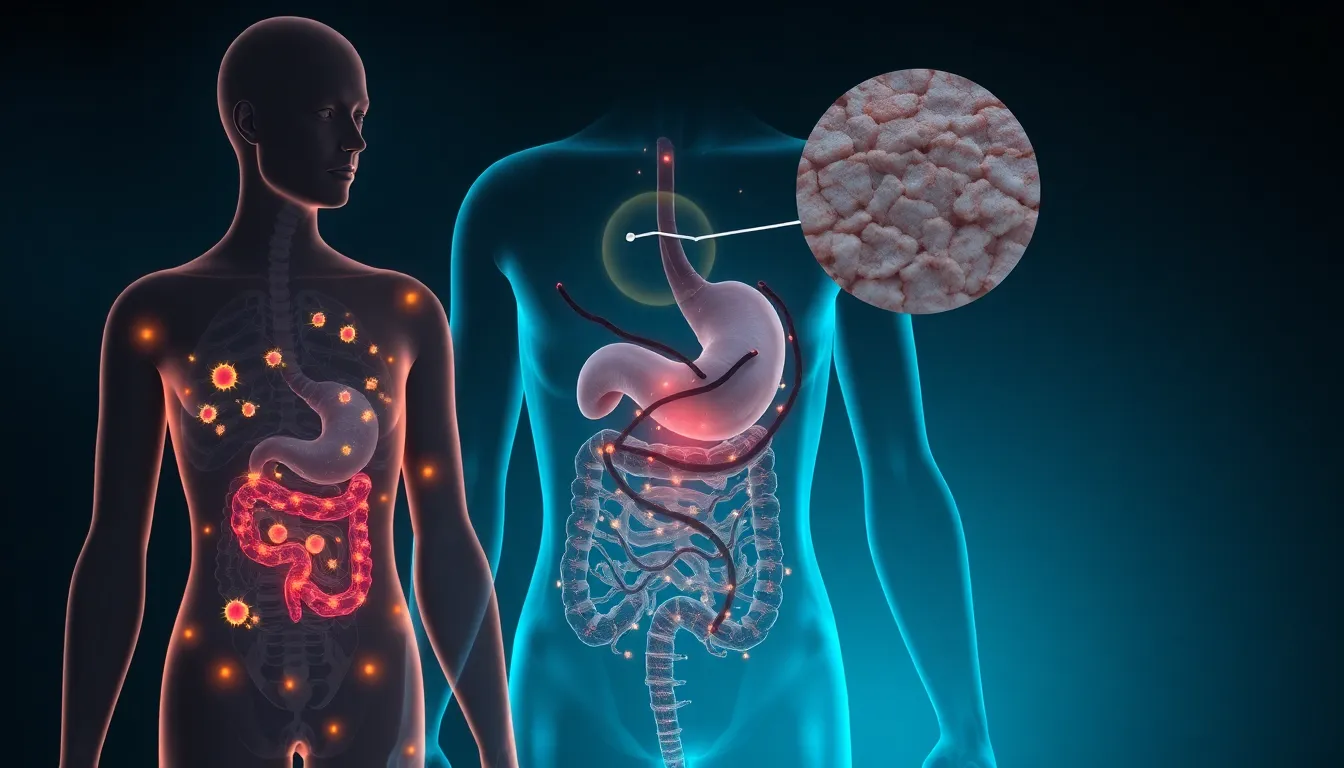
Your Gut, Skin, and Joints: Subtle Alerts Before the Storm
Silent inflammation, often described as a low-grade, chronic inflammatory state, frequently goes unnoticed because its initial manifestations are deceptively subtle. Unlike acute inflammation, which presents with obvious redness, swelling, pain, and heat, the early signs of silent inflammation often appear as non-specific symptoms in various bodily systems. These signals are frequently overlooked or dismissed as minor annoyances, but they can collectively point to a deeper underlying inflammatory process requiring attention. Recognizing these localized alerts can be critical for timely intervention before more severe health issues develop.
The Gut’s Early Warning System: Digestive Distress
Your digestive system is a primary site where the early signs of silent inflammation can emerge. Persistent, non-specific digestive issues such as bloating, gas, irregular bowel movements, or unexplained discomfort are not merely dietary mishaps. They can be indicators of underlying gut dysbiosis, an imbalance in the gut microbiota where harmful bacteria outweigh beneficial ones. This imbalance compromises the gut barrier, allowing inflammatory substances to enter the bloodstream. The gut plays an immense role in immune function, with an estimated 70% of the body’s immune cells residing in the gut. This makes it a crucial frontier in detecting systemic issues.
Inflammation in the gut can lead to increased intestinal permeability, often referred to as “leaky gut.” A key marker for this condition is zonulin, a protein that regulates the tight junctions between intestinal cells. When these junctions become too permeable, the gut lining can become compromised. Research indicates that 40% of cases showing elevated zonulin levels are linked to conditions associated with increased intestinal permeability, suggesting a significant inflammatory process. Addressing these digestive concerns is not just about comfort; it’s about protecting a vital immune and inflammatory control center. For deeper insights into common triggers, understanding food sensitivities and their impact on bloating can be highly beneficial.
Skin Deep: Unexplained Changes on the Surface
The skin, our largest organ, often reflects our internal health. Unexplained skin changes can serve as another significant indicator of silent inflammation. These may include persistent redness, heightened sensitivity to touch or products, or an unusual dryness not attributable to external factors. Such subtle alterations are often dismissed as cosmetic issues or minor irritations, but they can be rooted in chronic low-grade inflammation. This inflammatory state can disrupt the skin’s natural barrier function and its immune responses.
Studies into chronic non-allergic skin inflammation have revealed elevated levels of specific inflammatory markers. For instance, 28% of cases exhibit elevated IL-6 and TNF-alpha in chronic non-allergic skin inflammation. Interleukin-6 (IL-6) and Tumor Necrosis Factor-alpha (TNF-alpha) are pro-inflammatory cytokines, which are signaling molecules that promote inflammation. Their persistent elevation points to an ongoing immune response within the skin. Furthermore, there is a 1.8-fold increased incidence of persistent, mild skin redness and delayed wound healing associated with these low-grade inflammatory conditions. These outward signs are not just aesthetic concerns but clear signals that the body is fighting an internal battle.
Joints and Muscles: Silent Aches and Stiffness
While significant joint pain is a clear symptom of acute inflammation, the early signs of silent inflammation in musculoskeletal systems are much more subtle. These often manifest as mild, intermittent joint stiffness or muscle aches that are not directly attributable to a specific injury, overuse, or strenuous activity. You might experience a general creakiness in your joints in the morning that dissipates quickly, or muscles that feel unusually stiff after minimal activity. These sensations can be easily overlooked or attributed to aging or minor fatigue, yet they can be crucial indicators of a brewing inflammatory storm.
These non-specific musculoskeletal discomforts can be linked to systemic inflammation. Blood tests can sometimes reveal markers of this underlying inflammation even when symptoms are vague. For example, 18% of individuals with non-specific musculoskeletal pain show elevated C-reactive protein (CRP) and Erythrocyte Sedimentation Rate (ESR). CRP is a protein made by the liver in response to inflammation, and ESR measures how quickly red blood cells settle, with faster rates indicating inflammation. Additionally, a significant statistic shows a 30% higher incidence of reporting persistent, non-localized joint discomfort over a 5-year period in individuals with CRP levels greater than 3 mg/L. This highlights how sustained low-grade inflammation, even without obvious joint damage, can lead to chronic, diffuse aches and stiffness. Recognizing these subtle, persistent discomforts in your joints and muscles is an essential step in understanding your body’s inflammatory status.
Featured image generated using Flux AI
Source
Framingham Heart Study: Circulation
JAMA Psychiatry
Gastroenterology
Brain, Behavior, and Immunity
Annals of the Rheumatic Diseases
Dermatology
National Health and Nutrition Examination Survey (NHANES)