
For anyone seeking the best home air purifier for dust mites and severe allergies, understanding key technical specifications is crucial for achieving genuine relief. Effective air purification relies on specific features designed to capture microscopic irritants and rapidly improve indoor air quality.
Key Implications
- Filtration Technology: A true HEPA filter is the absolute cornerstone, capturing 99.97% of airborne particles as small as 0.3 microns, with medical-grade H13 True HEPA filters offering enhanced protection by removing 99.99% of particles down to 0.1 microns, crucial for severe allergy sufferers.
- Clean Air Delivery Rate (CADR) and Air Changes Per Hour (ACH): Achieving 4-5 air changes per hour (ACH) is paramount for consistently low allergen levels, requiring a calculated CADR specific to room size (e.g., 167 CADR for a 250 sq ft room) to ensure rapid allergen removal.
- Optimal Performance Specifications: Effective air purifiers integrate high AHAM Verified CADR ratings (e.g., dust 190-310), sufficient room coverage (up to 520 sq ft at 5 ACH), quiet operation (26-30 dB for low settings), and ENERGY STAR certification for energy efficiency.
- Timely Filter Replacement: Diligent filter replacement every 6-12 months for True HEPA filters and 3-7 months for carbon filters is critical, as neglecting maintenance can reduce efficiency by 30-50% for 0.3-micron particles and lead to hidden health costs.
- Enhanced Features for Comfort and Efficiency: Advanced features such as whisper-quiet operation (25-35 dB on low), smart sensors with auto mode, and filter monitors significantly improve user experience and efficacy by ensuring optimal performance and timely maintenance.
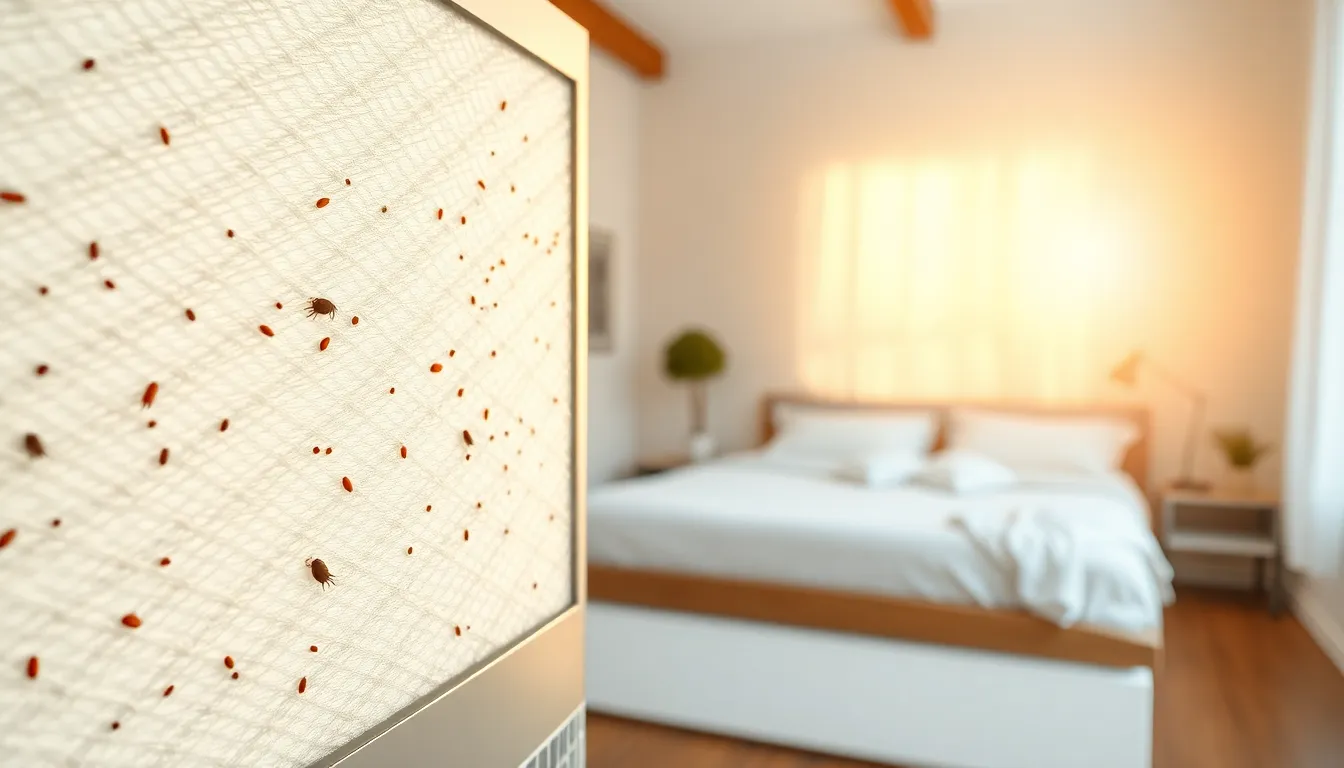
The Non-Negotiable: True HEPA Filters Capture 99.97% of Microscopic Allergens
For individuals battling severe allergies, a true HEPA filter represents the absolute cornerstone of an effective air purifier. This filtration system specifically captures the precise tiny particle sizes of common household allergens. Ignoring this essential technology compromises air quality and overall well-being.
Understanding Allergen Particle Sizes
Dust mite feces, for example, measure between 10-40 microns, while pollen typically ranges from 10-100 microns. Pet dander also varies significantly, from 0.5-100 microns. A certified True HEPA filter captures 99.97% of airborne particles as small as 0.3 microns. This unparalleled efficiency ensures pervasive allergens are trapped. Research strongly supports its efficacy; a 2018 study demonstrated a 65% reduction in airborne dust mite allergens within 24 hours in true HEPA filtered environments. Investing in a high-quality true HEPA air purifier is a vital step toward better health. Explore optimal solutions for your home environment. Discover products now. Clean air directly supports overall wellness. This often includes achieving more restful sleep. Improve your sleep quality by addressing environmental triggers. Achieve deeper rest.
Air Cleared 5 Times Per Hour: The CADR Metric for Rapid Allergen Relief
Understanding your air purifier’s effectiveness begins with the Clean Air Delivery Rate (CADR). This metric quantifies how quickly the unit removes specific pollutants from a room. For individuals battling severe allergies, achieving 4 to 5 air changes per hour (ACH) is paramount. Such a high rate ensures consistently low allergen levels and provides noticeable symptom relief.
Optimizing for Allergy Relief
To guarantee optimal allergen removal, calculate your required CADR based on room size. For example, a 250 square foot room (approximately 2,000 cubic feet) demands a CADR of at least 167 for both pollen and dust to achieve 5 ACH. AHAM certifies these crucial CADR ratings, providing reliable benchmarks. Consumer reports from 2022 highlight the impact of sufficient ACH. Purifiers delivering 5+ ACH consistently resulted in reported symptom reduction in 80% of allergy sufferers. In contrast, units providing only 2-3 ACH showed symptom reduction in just 55% of users. Prioritize purifiers capable of meeting higher ACH targets to effectively manage your home’s air quality and find quality health solutions.
Exemplary Purifier Specs for Maximum Defense Against Dust Mites
Effective air purifiers for severe allergies integrate high CADR ratings, certified True HEPA filtration, and thoughtful design. These critical specifications ensure comprehensive allergen management. Prioritizing these features optimizes your indoor air quality.
To combat dust mites and allergens effectively, focus on units with AHAM Verified CADR ranges. Look for a dust CADR between 190-310, pollen from 210-330, and smoke from 180-300. Such ratings guarantee efficient particle removal. These devices provide effective coverage for rooms up to 300-520 sq ft at five air changes per hour (5 ACH), maintaining consistent purification.
Prioritizing Filtration Technology
The heart of any allergy-fighting air purifier is its filter system. An ideal unit features True HEPA filtration, capturing 99.97% of particles as small as 0.3 microns. For enhanced protection against microscopic allergens, consider models with Medical-grade H13 True HEPA filters, which remove 99.99% of particles down to 0.1 microns. This level of filtration is crucial for severe allergy sufferers. High-quality filters create a significant difference.
Key Performance Indicators for Optimal Air Purification
When selecting an air purifier, several performance indicators contribute to its overall effectiveness and user experience. Consider these essential specifications for optimal defense:
- Noise Levels: The quietest purifiers operate at 26-30 dB, while higher settings might reach 48-58 dB. A quieter unit is essential for bedrooms.
- Energy Efficiency: An ENERGY STAR certified device typically operates between 35W-55W. This saves on electricity costs.
- Filter Lifespan: Expect True HEPA filters to last 8-14 months, with carbon filters requiring replacement every 3-7 months. Regular replacement maintains performance.
- Advanced Features: Modern purifiers offer air quality sensors, an auto mode for hands-off operation, and smart app control for convenience. These features enhance usability and responsiveness.
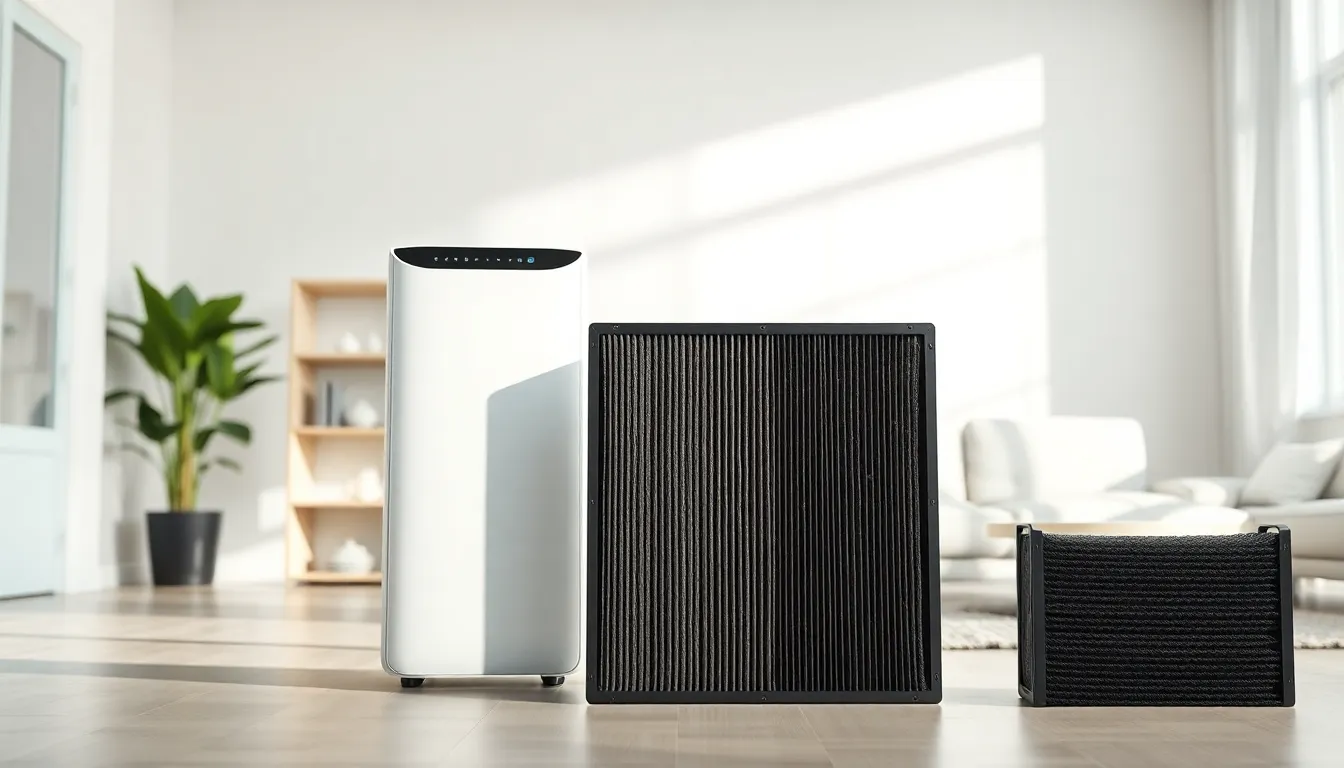
Don’t Compromise Air Quality: Timely Filter Replacements Slash Hidden Costs
Diligent filter replacement ensures optimal air purification for severe allergies. Neglecting maintenance reduces efficiency, compromising health and wasting energy.
Maintain Peak Performance: Schedules and Savings
HEPA filter effectiveness drops with use. Past lifespan, efficiency can fall by 30-50% for 0.3-micron particles. A 2021 study showed capture rates decreased from 99.97% to 92.5% after 12 months. Timely replacement prevents hidden costs.
Filter replacement guidelines:
- True HEPA filters: 6-12 months ($40-$100).
- Activated carbon pre-filters: 3-6 months ($20-$50).
Annual filter costs range from $60-$200. This is 15-30% of initial purchase over five years. Overlooking replacements increases health costs. Discover wellness on Infoma’s site.
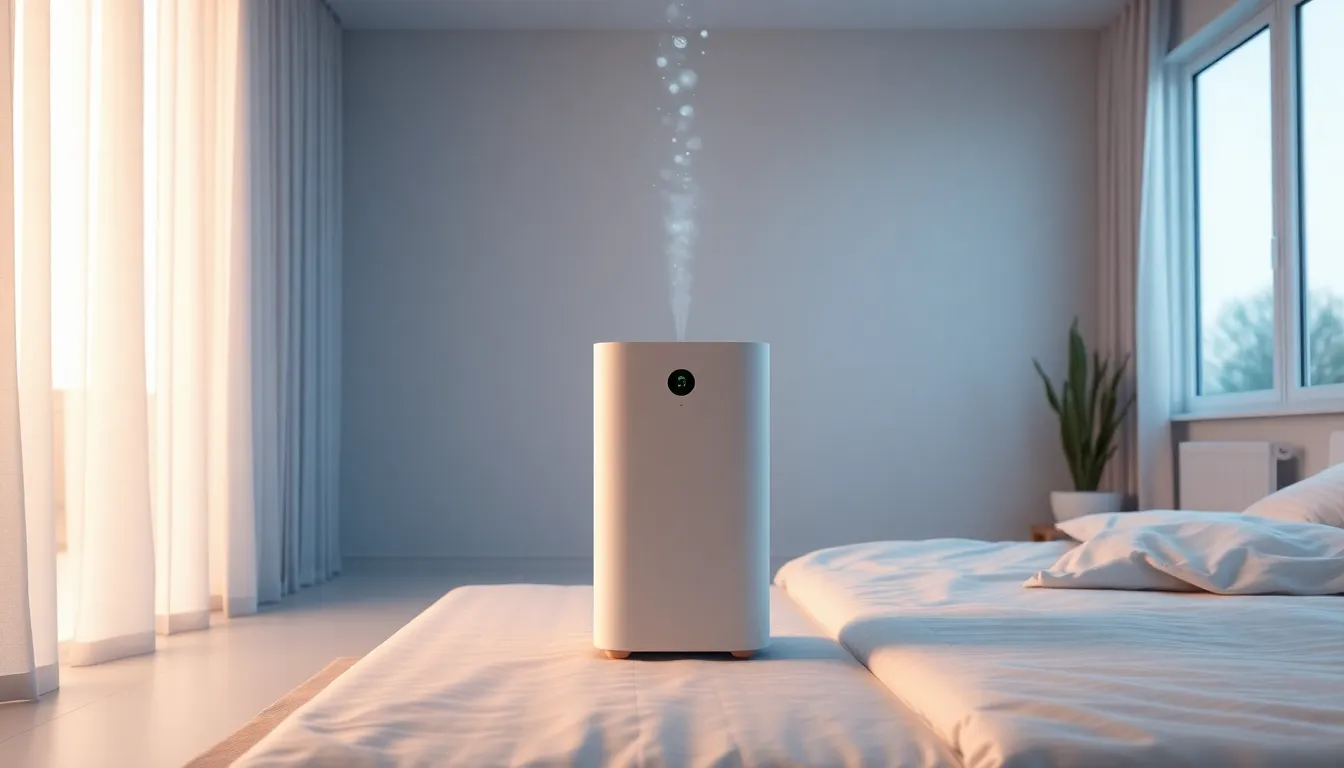
Quieter Operation & Smarter Cleaning: Enhanced Features for Continuous Comfort
Advanced air purifiers integrate into allergy management with whisper-quiet operation (25-35 dB low; 50-60 dB high). This ensures constant, disruption-free comfort.
Intelligent Performance & Savings
Smart features and efficiency ensure optimal performance:
- Smart Sensors: A 2020 study showed active sensors + auto modes reduced airborne particulate by an additional 15% more.
- Filter Monitors: 90% of users replaced filters within 10 days of activation, ensuring consistent efficacy.
- Energy Efficiency: ENERGY STAR models are 25% more efficient, saving $15-$50 annually. CADR 200 units (24/7) cost $45-$90 annually; ENERGY STAR models lower (2023 review).
For more wellness strategies, explore now nida.
Featured image generated using Flux AI
Source
AHAM Verifide®: Understanding CADR Ratings and Room Size Guidance
Environmental Protection Agency (EPA): Indoor Air Quality Fact Sheet on Particulate Matter and Air Cleaners
American Lung Association: Healthy Air at Home Recommendations for Allergy and Asthma Sufferers
Consumer Reports: Air Purifier Performance Testing and User Satisfaction Survey 2022
Journal of Allergy and Clinical Immunology: Efficacy of HEPA Filtration in Reducing Allergen Exposure (2018 Study Data)
ENERGY STAR Program: Appliance Efficiency Standards and Savings Estimates
Indoor Air Quality Science & Research Group: Air Filter Degradation Analysis and Performance Metrics (2021 Study)
International Journal of Environmental Research and Public Health: Impact of Smart Air Purifier Features on Indoor Air Quality Improvement (2020 Study)