
Discovering how to measure and improve deep sleep quality at home is crucial for protecting your brain and body, as inadequate deep sleep significantly raises risks like dementia and metabolic issues. Achieving optimal restorative rest requires understanding accurate tracking methods, optimizing your sleep environment, adopting consistent routines, and leveraging targeted support.
Key Implications
- Deep Sleep’s Critical Role: Insufficient deep sleep, vital for physical restoration, memory, and hormone regulation, elevates cognitive decline and metabolic health risks, including a 27% higher dementia risk.
- Precision in Measurement: Consumer EEG devices (70-85% accuracy) offer significantly more precise deep sleep data than wearables (60-78%), enabling targeted interventions when deep sleep consistently falls below 15%.
- Environmental Optimization: Maintaining a cool bedroom (60-67°F), eliminating light (especially blue light), and reducing ambient noise below 40 dBA can improve deep sleep quality by up to 15%.
- Lifestyle and Routine Impact: Consistent sleep schedules (within 30 minutes daily), regular moderate exercise, and avoiding deep sleep disruptors like caffeine (6 hours pre-bed) and alcohol can boost deep sleep quality by 10-15%.
- Supplemental and Technological Support: Magnesium (500mg), Melatonin (0.5-3mg), and L-Theanine (200mg) provide targeted support, while advanced smart technology like EEG headbands and relaxation apps aid in comprehensive deep sleep optimization.

Deep Sleep: Protecting Your Brain and Body
Deep sleep (delta waves) ensures physical restoration, memory, and hormone regulation. Adults need 15-25%. Insufficient amounts raise cognitive and metabolic health risks.
The Impact of Insufficient Deep Sleep
Lack of deep sleep brings severe issues:
- 27% higher dementia risk. Glymphatic system, 60% more active in deep sleep, clears waste.
- Insulin sensitivity drops 10-15%, mimicking pre-diabetes.
Prioritizing deep sleep boosts well-being, preventing life loss, nida.
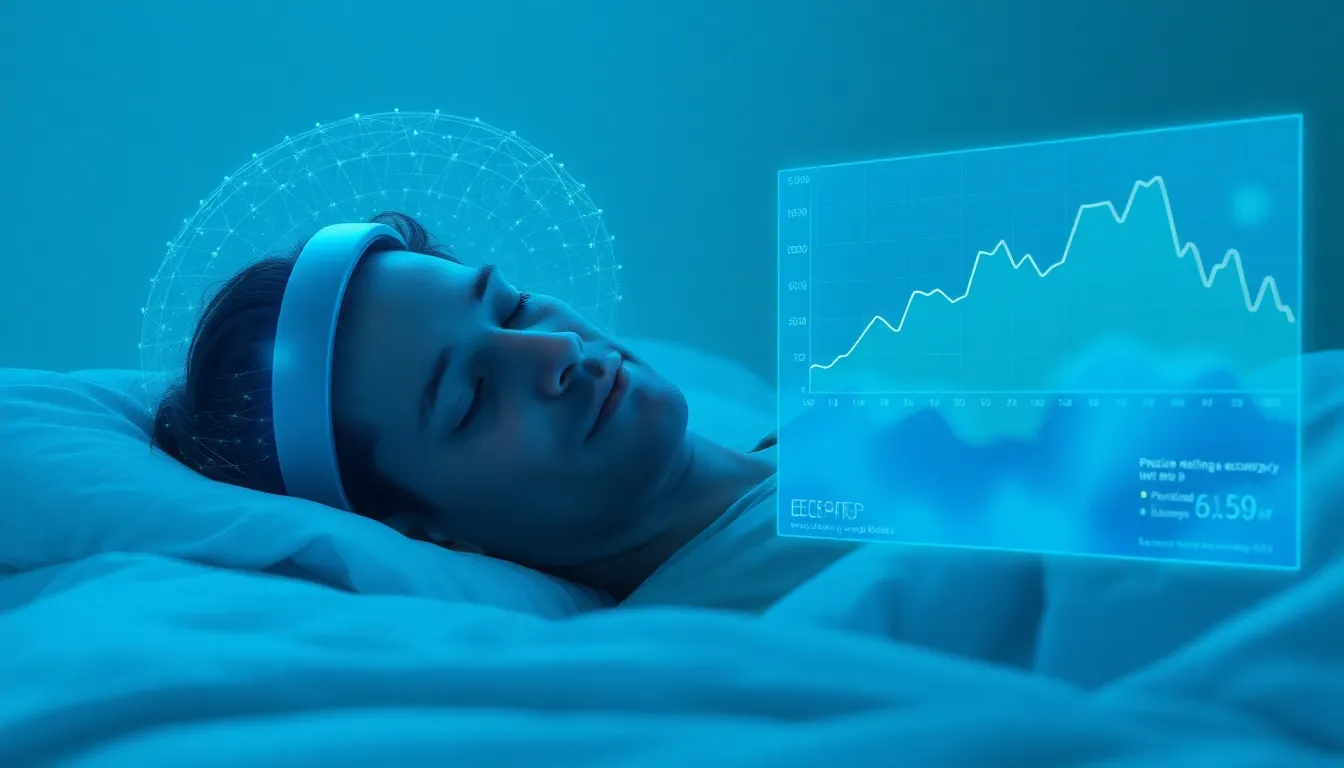
Unlock Deep Sleep Data: Consumer EEG Outperforms Wearables by 10-15%
Deep sleep measurement is key. Consumer EEG devices, tracking brainwave activity, deliver 70-85% accuracy, surpassing standard wearables (60-78%). Rivals clinical PSG, this precision offers superior sleep insights.
Wearable Deep Sleep Tracking Limitations
Wearables offer trends, but deep sleep accuracy varies. Oura Ring provides 65-75%; Whoop Strap achieves 70-75%; Fitbit/Apple Watch models range 60-70%. Useful for patterns, they lack deep detail.
EEG Precision for Deep Sleep Improvement
Actionable deep sleep data needs understanding device capabilities. EEG headbands excel for precise deep sleep, measuring brainwave activity directly. Dreem 3 Headband provides 80-85% accuracy; Muse S Headband achieves 70-80%. Consistent deep sleep below 15% demands intervention. Accurate data empowers targeted improvements. Prioritize sleep health for overall well-being.
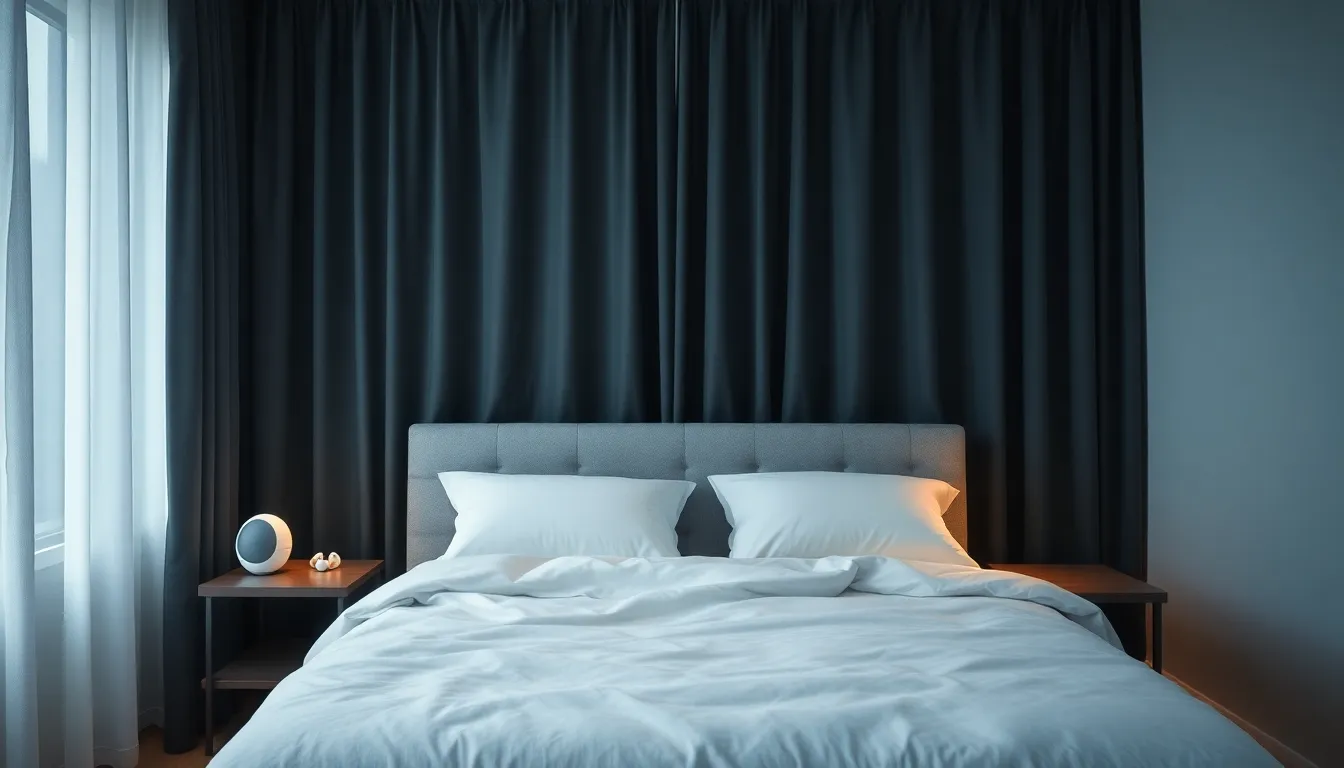
Optimize Your Sleep Sanctuary: Environmental Adjustments for Up to 15% Deeper Rest
Your bedroom environment profoundly impacts deep sleep quality. Optimizing this space is a critical step for truly restorative rest, nida. Maintaining an optimal temperature between 60 to 67 degrees Fahrenheit (15.6 to 19.4 degrees Celsius) is fundamental. Temperatures exceeding 75°F (23.9°C) can diminish deep sleep by a significant 10-15%. This small adjustment makes a substantial difference.
Mastering Light Control for Deeper Sleep
Eliminating intrusive light sources radically improves sleep. Utilize blackout curtains to block 99% of external light. Even dim light exposure can increase heart rate by 5-10 beats per minute, reducing deep sleep by 5%. Furthermore, blue light suppresses melatonin production by 50% and directly reduces deep sleep stages. Avoid screens before bedtime to allow your natural sleep hormones to function optimally. Understanding these environmental factors supports a stronger foundation for health care insights.
Silence Your Path to Rest: Noise Reduction Strategies
Noise pollution consistently disrupts deep sleep cycles. It is crucial to reduce ambient noise below 40 dBA for an undisturbed night. Traffic noise alone can decrease deep sleep by 10-15%. Taking proactive steps against sound intrusion is essential for consistent rest. Consider these effective strategies for managing noise:
- Employ soundproofing measures like heavy drapes or specialized windows.
- Use earplugs, which can reduce noise by 20-30 dBA.
- Introduce a white noise machine; this can reduce sleep onset time by 38%.
Implementing these adjustments transforms your sleep space into a haven for profound rest.
Boost Deep Sleep: Consistent Routines & Lifestyle Choices Increase Quality by 10-15%
Foundational habits drive deep sleep improvement. Maintain a consistent schedule: no more than a 30-minute deviation daily. Inconsistent 90-minute shifts lead to 15% less deep sleep and a 30% greater metabolic risk. Regular moderate exercise boosts deep sleep by 10-15%, reducing sleep onset 20%. Prioritize these for better rest.
Key Deep Sleep Disruptors
Minimize factors harming deep sleep:
- Caffeine: Stop intake 6 hours pre-bed; it reduces deep sleep by 5-10%.
- Alcohol: Moderate consumption cuts deep sleep 15-25% in later cycles.
- Dehydration: Less than 60 ounces water daily causes 10-15% less efficient sleep.
- Unmanaged Stress: MBSR reduces sleep disturbance 12%.
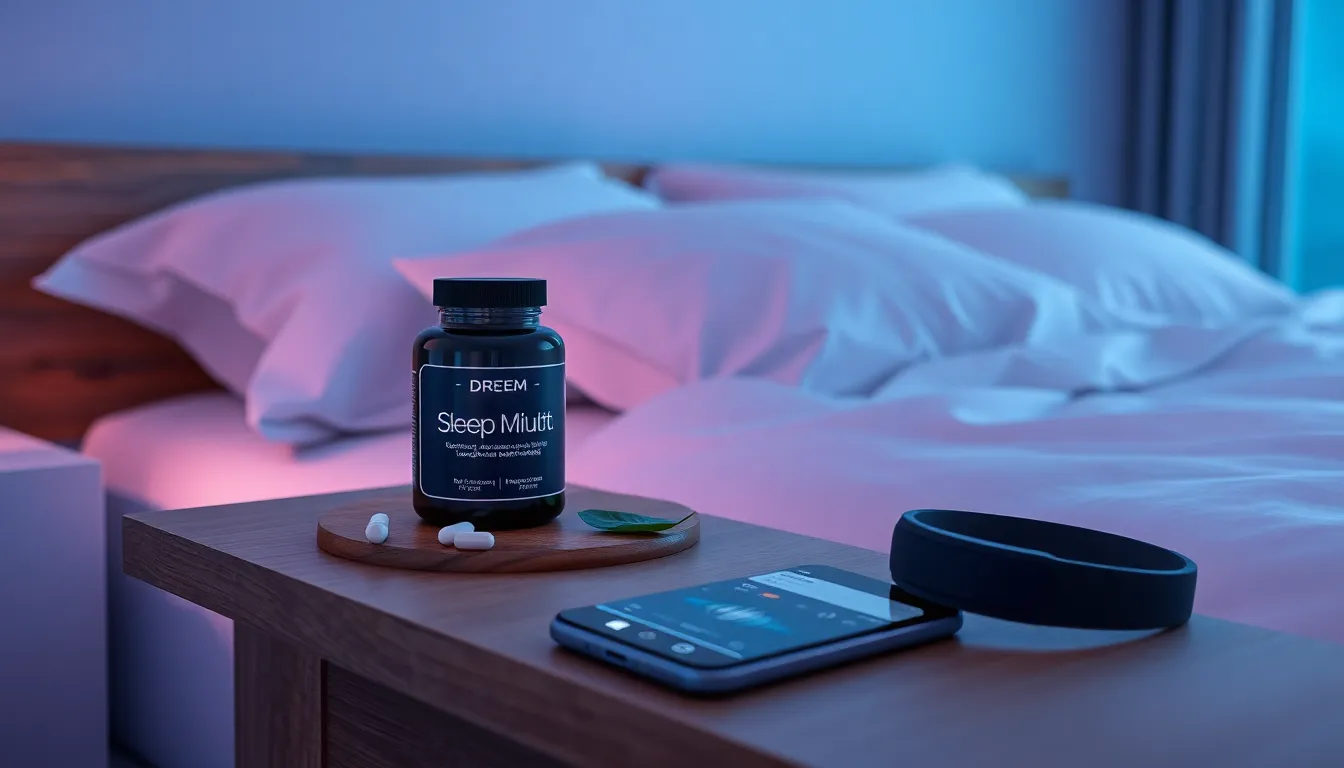
Targeted Support: Supplements and Smart Sleep Tech for Enhanced Deep Sleep
Optimizing Deep Sleep with Key Supplements
Supplements provide additional support for deeper, restorative sleep. They offer measurable benefits for improving sleep quality. Explore these options:
- Magnesium: Essential for sleep regulation. Daily 500mg improves sleep onset by 17%, increasing total sleep by 16 minutes. Notably, 50% of the U.S. population lacks sufficient magnesium.
- Melatonin: Regulates sleep cycles. 0.5-3 mg, taken 30-60 minutes pre-bed, reduces sleep onset by 7-12 minutes. It improves overall sleep efficiency by 2-3%.
- L-Theanine: This green tea amino acid (200mg) promotes relaxation without drowsiness. It aids calm, focused sleep.
These effective aids contribute to protecting patients from common sleep issues.
Leveraging Smart Technology for Sleep Improvement
Advanced tools offer precise insights for deep sleep enhancement. The Dreem 3 Headband provides sophisticated tracking and neurofeedback, guiding users to restorative sleep. Relaxation apps fine-tune nightly routines. Calm and Headspace deliver guided meditations and soundscapes. They quiet the mind, promoting quicker transitions into deep sleep. Such smart tools establish a comprehensive deep sleep optimization strategy.
Featured image generated using Flux AI
Source
JAMA Neurology, “Association of Sleep Duration and Quality with Dementia Risk”
American Journal of Clinical Nutrition, “Impact of Sleep Deprivation on Glucose Metabolism and Insulin Sensitivity”
Sleep Medicine Reviews, “The Effects of Ambient Temperature on Sleep”
Proceedings of the National Academy of Sciences, “Evening Exposure to Blue-Enriched Light Impairs Melatonin Secretion and Delays Sleep”
Environmental Health Perspectives, “Noise Exposure and Sleep Disturbance”
Current Biology, “Social Jetlag and Its Association with Metabolic Dysfunction”
Sleep Medicine Reviews, “Exercise and Sleep: A Systematic Review”
Journal of Clinical Sleep Medicine, “Caffeine Ingestion and Sleep”
Sleep Science, “Hydration Status and Sleep Quality”
JAMA Internal Medicine, “Mindfulness-Based Stress Reduction for Chronic Insomnia”
Journal of Research in Medical Sciences, “The Effect of Magnesium Supplementation on Primary Insomnia in Elderly”
Journal of Clinical Sleep Medicine, “The Effects of Exogenous Melatonin on Sleep”